
Roman Emperor Augustus
27 B.C. - 14 A.D.
Gaius Julius Caesar Octavianus
Busts, Statues, Coins, Information, Maps, Images, and More
Augustus Busts and Statues
1. Bronze statue of Augustus
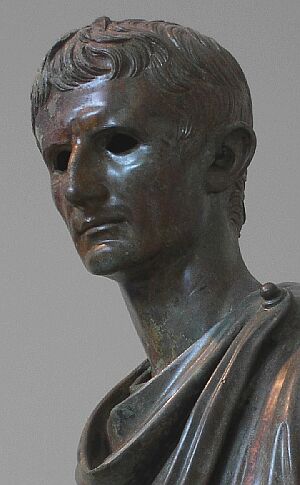
The First Emperor of The Roman Empire's bronze statue can be found at Archeological Museum of Athens. They house a marvelous collection of artifacts from Greek antiquity worldwide.
2. Marble Bust of Emperor Augustus
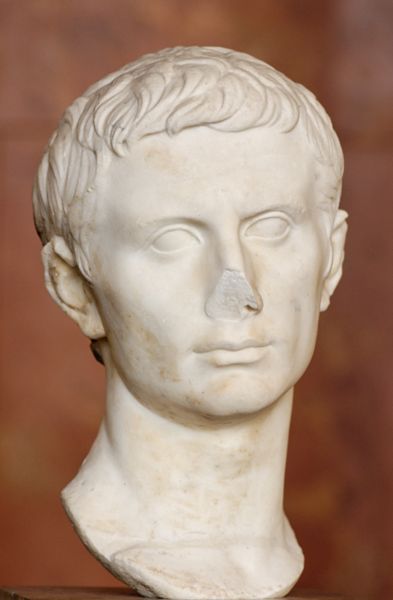
This sympathetic look of Emperor Augustus can be found at Department of Greek, Etruscan and Roman Antiquities. This is a Borghese Collection whose artist is unknown.
3. Young Augustus
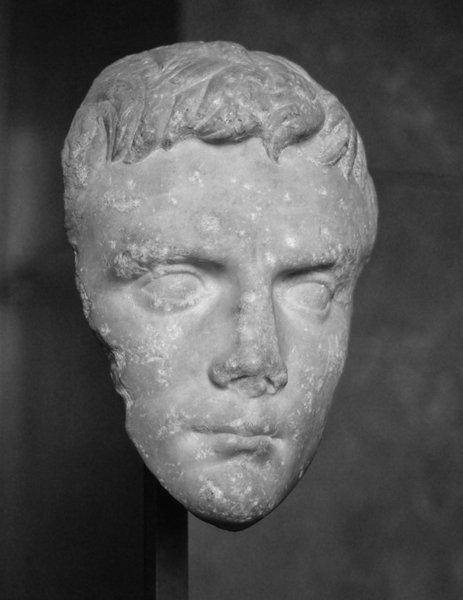
Although he was known to be ruthless during his early years, this bust marble depicts a kind look of the young Augustus contrary to what his images was as a young man. The 11.2 inch bust is located at the Louvre's Department of Greek, Etruscan and Roman Antiquities.
4. Prima Porta-type Bust of Augustus
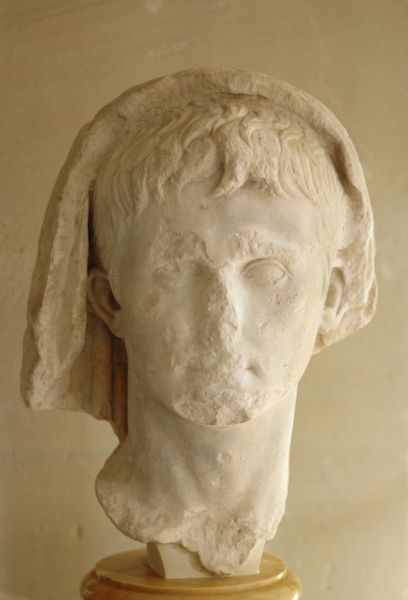
The amazing marble statue dates back to 1st Century AD from Gigthis, Tunisia.
5. Bust of Emperor Augustus
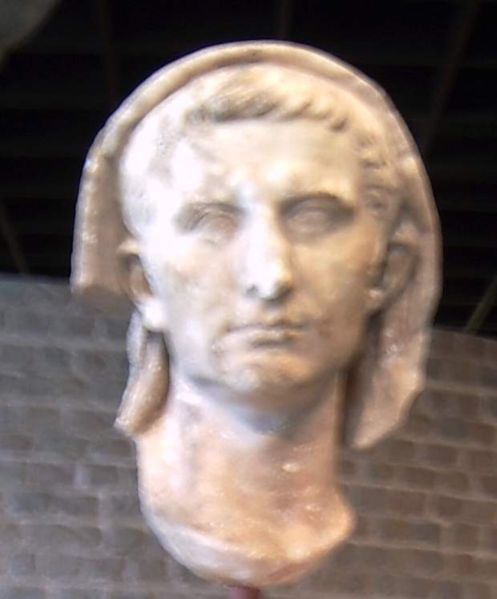
Roman-Germanic Museum in Cologne, Germany has a vast collection of archeological ruin. Among this collection is the bust of Augustus which dates from the 1st half of the 1st century.
6. Augustus "BEVILACQUA"
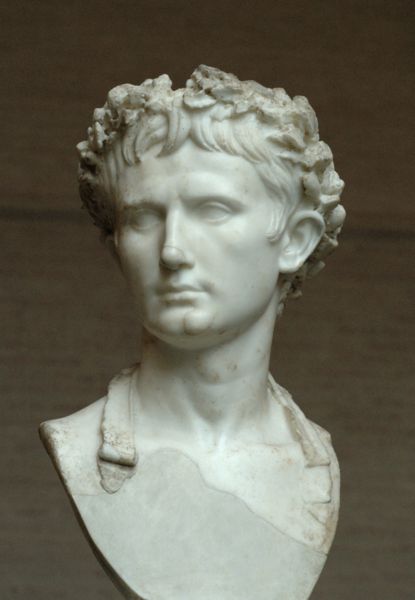
This wonderful piece of art depicting the Emperor Augustus shows him wearing the Civic Crown or commonly known as the "Corona Civica". It had the most valued honors among the Ancient Romans.
7. Younger Octavian
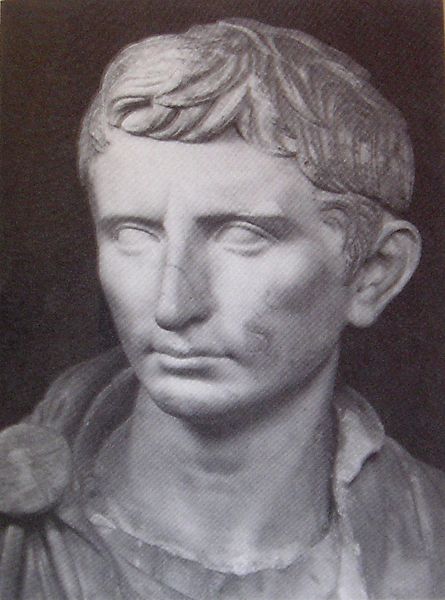
The sculpture which dates back to around 30 BC is located at the Museo Capitolino of Rome, Italy. It portrays a younger Octavian.
8. Bronze Bust of Augustus
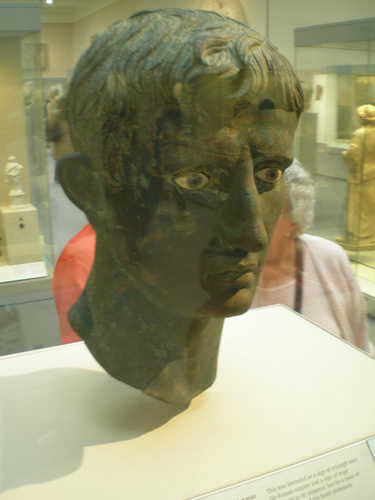
This fine-looking Roman Art of Augustus was made in bronze. It was found in Meroe in Nubia (today Sudan) and is currently on display at Upper floor, room 70: Roman Empire.
9. Bust of Innocent look of Augustus
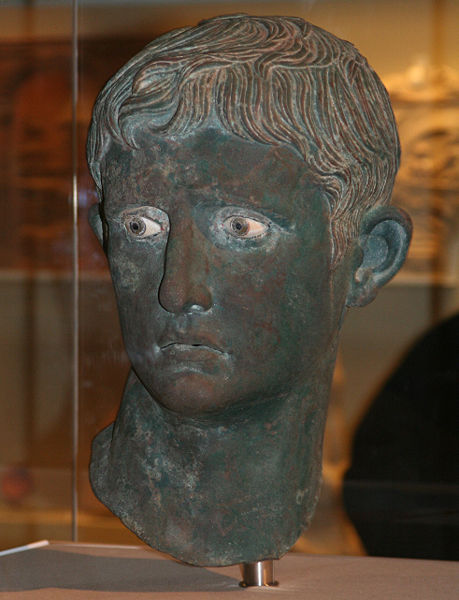
It portrays a young Augustus with his innocent look. The bust of Augustus was found at Meroe in Nubia (modern Sudan). It is made of bronze and on display at Upper floor, room 70: Roman Empire.
10. Augustus Bust after his Death
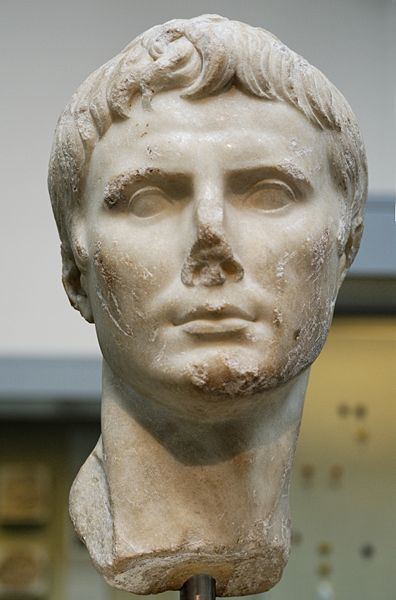
It's a beautiful marble made artwork of Augustus dates back to 14 AD, probably after his death. The British Museum keeps this marvelous piece together with other collection of world art and artifacts.
11. Portrait Sketch of Augustus
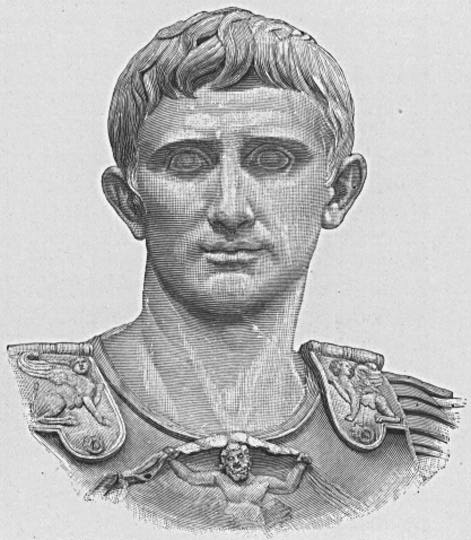
The sketch is from the History of the World, H.F. Helmolt (ed.), New York, 1901 and copied from the University of Texas. This is Augustus wearing his breastplate in which the symbol indicates all his achievement for prosperity and peace for the Roman Empire.
12. Augustus as Pontifex Maximus
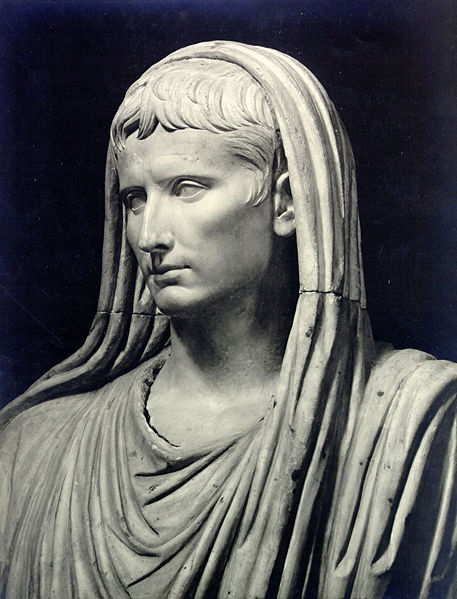
Augustus as Pontifex Maximus was found in Via Labicana. Pontifex Maximus was the head of the state religion of Rome. It's in display at National Museum Rome.
13. Augustus wearing a Toga
Toga was the national garment of Rome and only male citizens were allowed to wear the toga. The back of the toga was pulled over the head during religious ceremony as in this marble statue of Augustus as High Priest (pontifex maximus). Dated 17th century (from 2nd century body and 1st century head) and can be seen at Museo del Prado.
14. Augustus in his War Dress
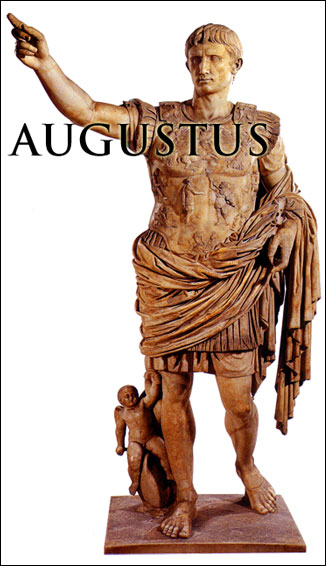
This Augustus in Prima Porta is on display at the Vatican Museum, Rome. It is one of the many statues that were erected throughout the empire during his reign. Every detail from head to toe symbolizes everything about his character and achievement.
15. Augustus of Prima Porta Copy

This statue is just a copy of the Augustus of Prima Porta. Although this picture does not include the lower part of Augustus, the upper body including his right hand gives us more information about his character as a ruler. This statue gives the audience an impression of Augustus as the powerful ruler of Rome.
16. Augustus as Ruler of Rome
A half-body picture of Augustus depicts him as the most powerful ruler of Rome according to his right hand gesture. It's a replica of Prima Porta Statue of Rome. His face also renders the youthful look of the emperor despite his age of 40 when this statue was constructed.
17. Caesar Augustus in his Toga

Suetonius, a Historian to Emperor Hadrian describes Augustus as "remarkably handsome and of very graceful gait even as an old man; but negligent of his personal appearance...body and limbs so beautifully proportioned..." This picture agrees to his descriptions. This can be seen at Department of Greek, Etruscan and Roman antiquities
18. Augustus as High Priest of the Ancient Roman
It's a Roman artwork of the late Augustan period. This statue is Augustus as Pontifex Maximus or the High Priest of the Ancient Roman College of Pontiffs. He is wearing a toga, with back pulled over the head and a calcei patricii, boots for Roman Nobles.
19. Via Labicana Augustus
Emperor Augustus is shown as Pontifex Maximus, it's a Roman artwork of the late Augustan period. This close-up portrait of Augustus shows his eyes that is described in the writings of Suetonius who said, "Augustus's eyes were clear and bright and he liked to believe that they shone with a sort of divine radiance: it gave him profound pleasure if anyone at whom he glanced keenly dropped his head as though dazzled by looking into the sun."
20. Benevolent Look of Augustus

The statue of Augustus is available for viewing at Museo Pio-Clementino, Sala Rotunda. His eyes show compassion to his people. He is wearing a toga with back pulled over to the head during religious ceremonies.
21. A Cult Statue of the Deified Augustus
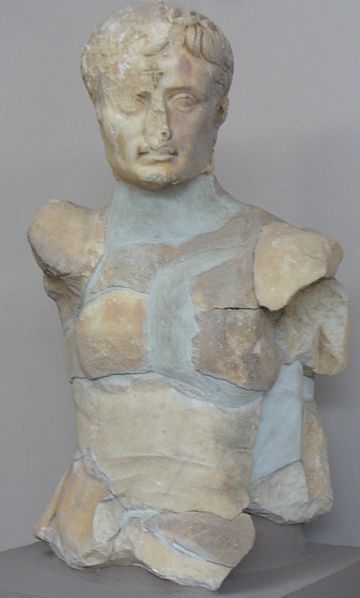
The disfigured statue of Augustus is on display at Ephesus museum in Selcuk, Turkey. It was believed that Worship of Emperor began even during the lifetime of Octavian.
22. Bronze Equestrian Statue of Augustus
This is the only preserved life-size equestrian statue of Augustus. It was recovered from the sea, in the area between Euboea and the Island of Aghios Eustratios. It dates back to the end of the 1st Century BC and can be seen at the National Archaeological Museum, Athens.
23. Augustus Wall Relief at Temple in Egypt

Kalabasha Temple was built by Emperor Augustus, and this is the largest free-standing temple of Egyptian Nubia. The photo is represented with a stone carving of Augustus depicted in Egyptian style.
24. Heroic Statue of the Roman General
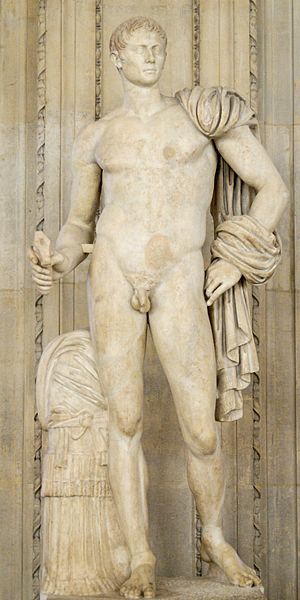
This marble made statue is a representation of Octavius, a Heroic Roman General. The head does not belong to the statue. It is available for viewing at the Louvre's Department of Greek, Etruscan and Roman Antiquities.
Augustus Coins
1. Anthony with Octavian
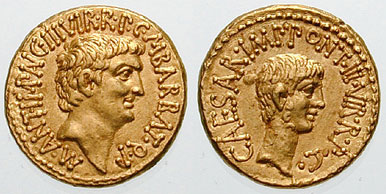
This coin reveals the head of Octavian on the right with caption "CAESAR IMP PONT III VIR R P C" and on the left is Antony with "M ANT IMP AVG III VIR R P C M BARBAT Q P".
2. Bronze coin of Augustus

Wreathed head of Augustus is on the left with "CAESAR AVGVSTVS" written on it, and on the right is a comet with eight rays with tail upward.
3. Augustus: PATER PATRIAE
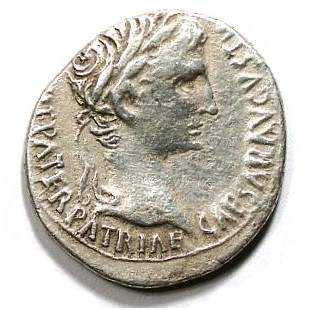
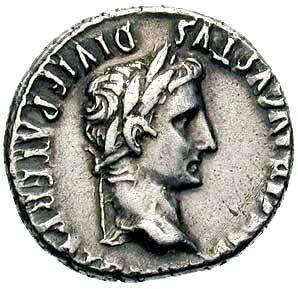
Lyons mint 2 BC - ca 13 AD, with wreathed head of Augustus, surrounded with words, "CAESAR AVGVSTVS DIVI F PATER PATRIAE".
4. Roman Coin: Augustus
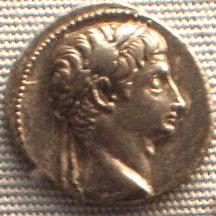
It shows a laureate head of Augustus (30 BC - 14 AD). On display at National Munzsammlung, Munich (Germany).
5. Augustus Coin with Capricorn

Augustus Imperial Silver Denarius with Capricorn his birth sign holding globe between front hooves. It was struck in 12 BC, minted in Lugdunum (Lyon).
6. Ephesus Mint of Augustus Coin
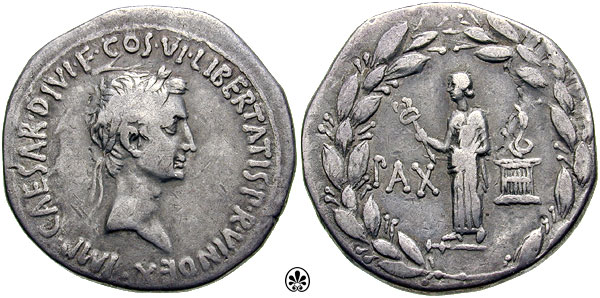
A cistophoric tetradrachm, or a large silver type, struck to the weight of four denarius, on the left is the wreathed head of Octavian with Greek style lettering "IMP CAESAR DIVI COS VI LIBERTATIS P R VINDEX". On the left surrounding laurel leaf is an arising serpent from cista mystica and a PAX the goddess of peace standing left holding caduceus.
7. Head of Augustus with Shield
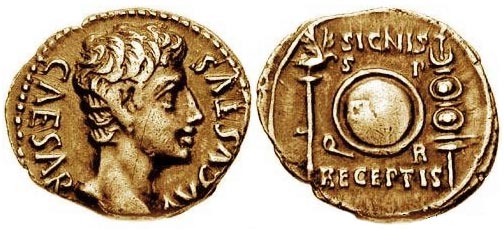
Bare head of Augustus on the left and on the reverse (right) is a circular shield with aquila on its left. "S" and "P" is written on both left and right at the top of the shield, and "Q" and "R" on both sides at the bottom of the shield.
8. Augustus with Agrippa
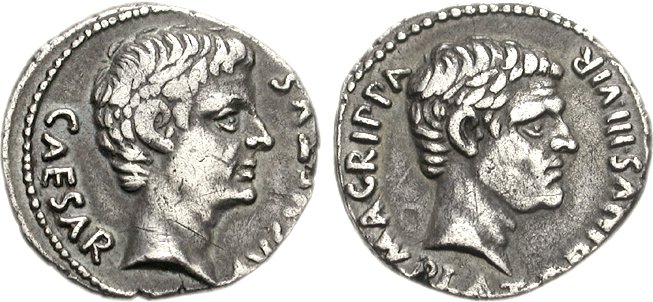
It's Denarius of Augustus with Agrippa that dates back to 27 BC-14 AD. It's minted in Rome by Caius Sulpicius Platorinus, moneyer. On the left is Augustus bare head with inscription "CAESAR AVGVSTVS" and Agrippa's head on the right with "M - AGRIPPA PLATORINVS - III - VIR" as its inscription.
9. Augustus and Agrippa with Crown
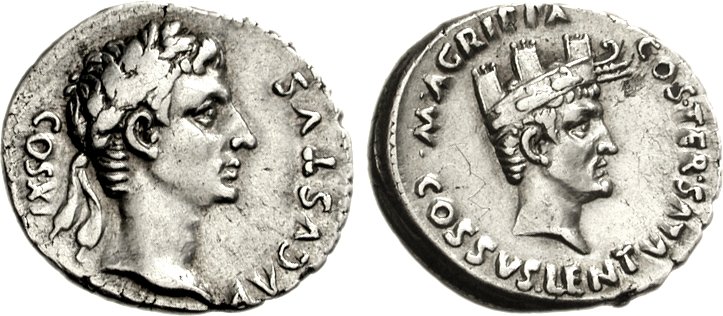
Denarius of Augustus with oak leaf on his head and Agrippa his right hand man on the right with mural and rostral crown. It was minted in Rome in 12 BC by Cossus Cornelius Lentulus, moneyer.
10. Augustus and Agrippa Back to Back
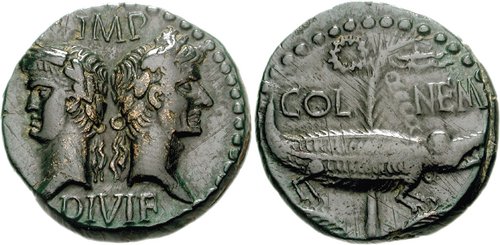
Heads of Augustus and Agrippa back to back. Agrippa is wearing his rostral crown and the head of Augustus is wreathed. On the right side is a crocodile chained to a palm tree with a palm leaf on either side of the base. It was minted in Gaul, Nemausus.
11. Augustus with Victory
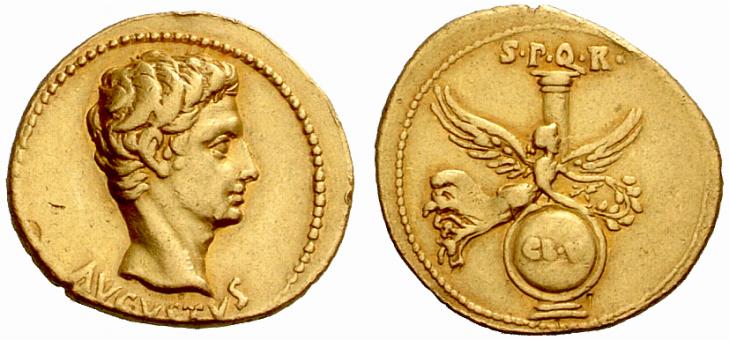
Bare head of Emperor Augustus on the left and Victory with her wings spread on the right, at the back is a column and a shield below.
12. Augustus and Tiberius
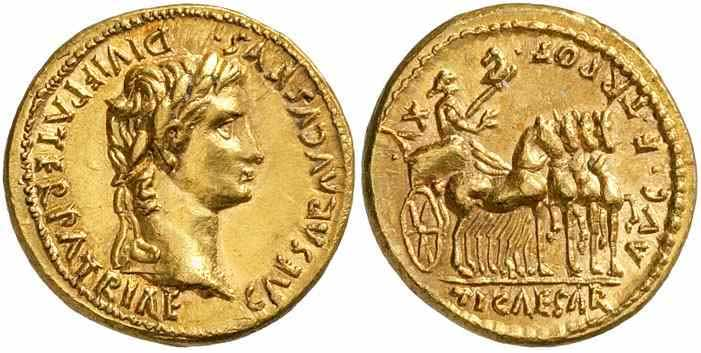
This coin was minted in Rome, 13-14 AD. Laureate head of Augustus is on the left with the inscription "CAESAR AVGVSTVS DIVI F PATER PATRIAE", on the right is Tiberius riding a chariot with four horses holding his eagle tipped scepter.
13. Augustus and Victory
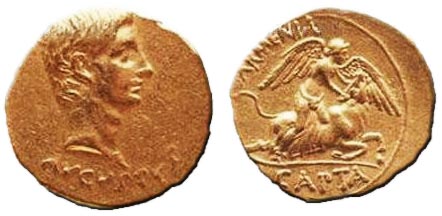
Augustus, Armenia Capta. Augustus bare head obverse and on the reverse is an insignia Armenia Capta with Victory kneeling down and cutting the throat of a lying bull.
More to Come...
Illuminate your space with custom neon signs inspired by the grandeur of ancient Rome! Whether you want a Latin phrase, a gladiator motif, or a Roman eagle design, these eye-catching decorations will make your room stand out.
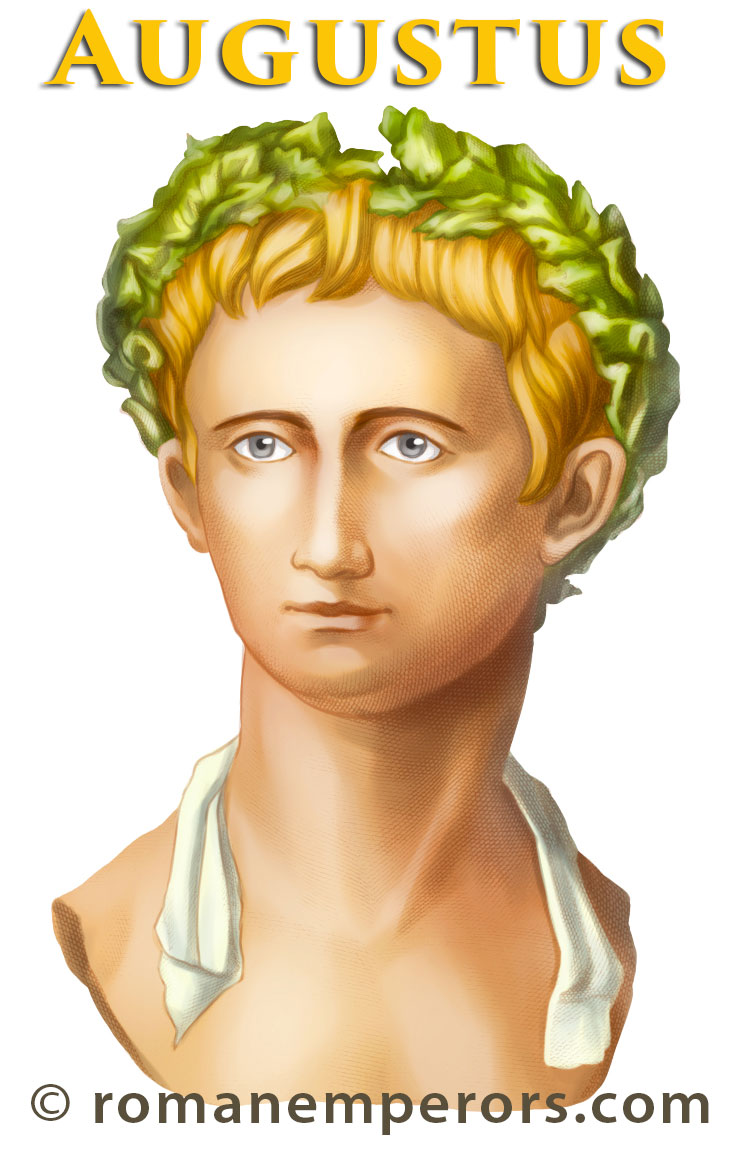
"Octavian"
27 years before Jesus Christ was born, the Senate of Rome bestowed upon Octavian the title Augustus. Augustus became the first "Emperor", which comes from the military title imperator. In actuality he became no more than first senator, but he skillfully combined within himself all the powers of consul, tribune, and other offices, and he really had no rival.
Augustus was also shrewd in that he directly controlled the strongest military provinces. He was smart enough to avoid Julius Caesar's mistake which was to oppose the senators. Augustus brought a great Roman peace (Pox Romana) which extended all the way to the Danube River and the Black Sea.
Augustus was clearly the greatest Emperor in all of Roman history, and the title "Father of his country" was well-deserved. He made many wise and clear decisions throughout the provinces, boasting that he had transformed Rome "from a city of brick into a city of marble."
Augustus was very religious, as celebrated in the famous Altar of Peace in the city of Rome. He restored as many as 80 temples, he attempted to regulate morals, and he even banished his own daughter Julia for her immorality. He encouraged marriage and childbearing and he even used legislation to do so. In fact according to his census records the number of Roman citizens grew from 4,000,000 in eight BC to 5,000,000 in 14 A.D.
It was during a time of great peace in the reign of Augustus that Jesus Christ was born in Bethlehem. He would have been born in Nazareth, the home of his parents Joseph and Mary, had it not been for the census ordered by Augustus, requiring all adults to register at their ancestral home towns.
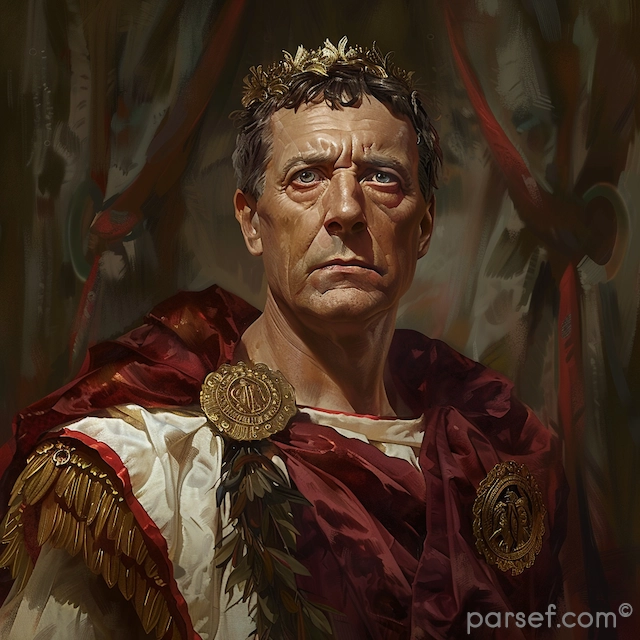
Julius Caesar
Julius Caesar, a brilliant general and statesman, played a critical role in the shift from the Roman Republic to the Roman Empire.
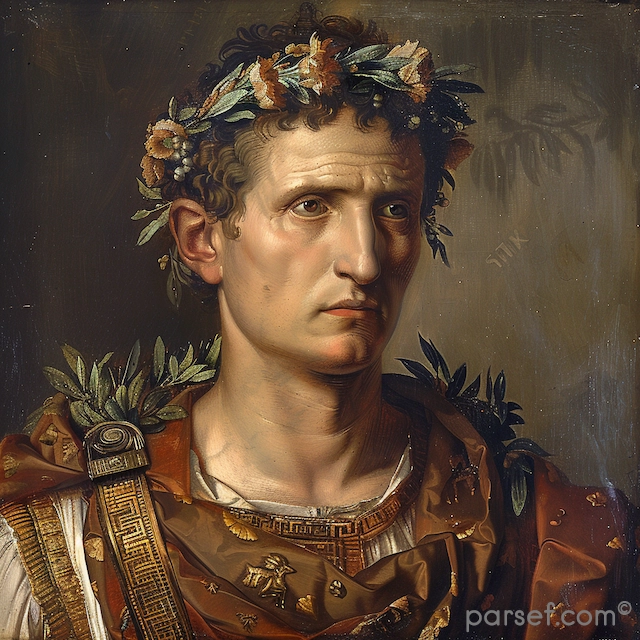
Augustus
Augustus, the first Roman emperor, ushered in an era of peace and prosperity known as the Pax Romana.
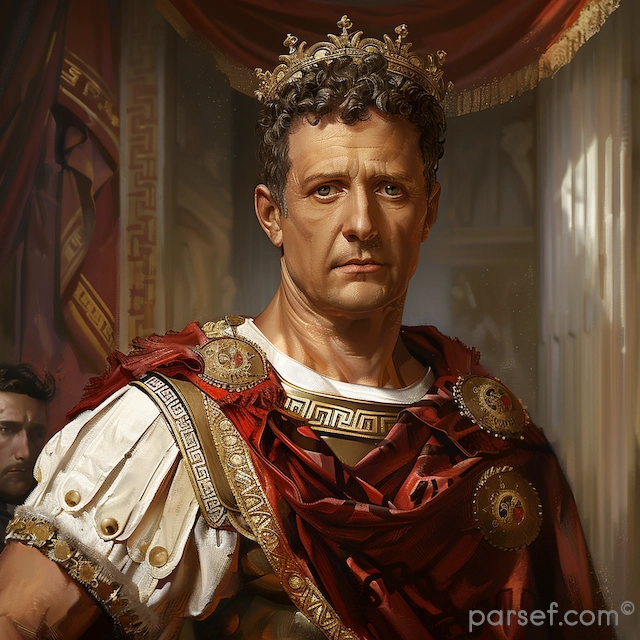
Tiberius
Succeeding Augustus, Tiberius, a skilled military leader, became a controversial emperor known for both stability and a later reign of terror.
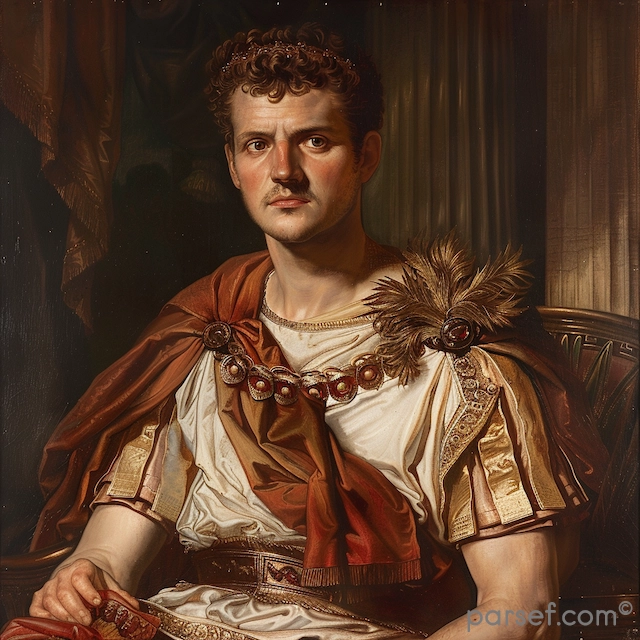
Caligula
Caligula, notorious for his cruelty and extravagance, ruled Rome for just four chaotic years.
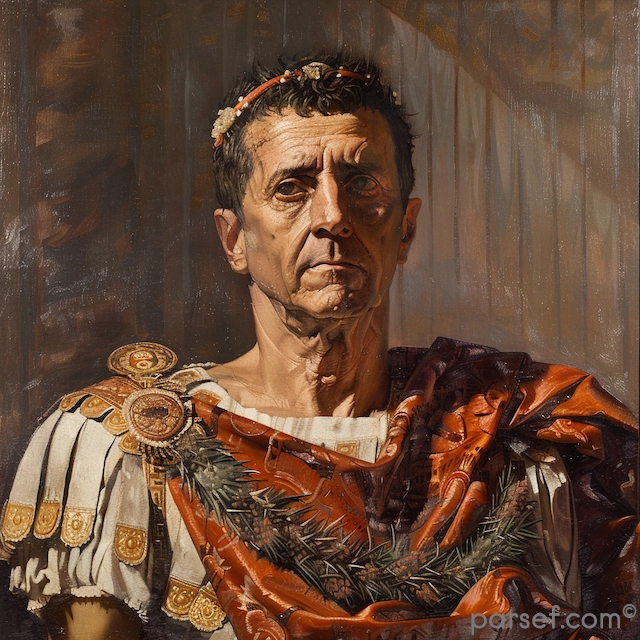
Claudius
Overcoming a reputation for disability, Claudius proved to be a capable emperor who expanded the Roman Empire and improved its infrastructure.
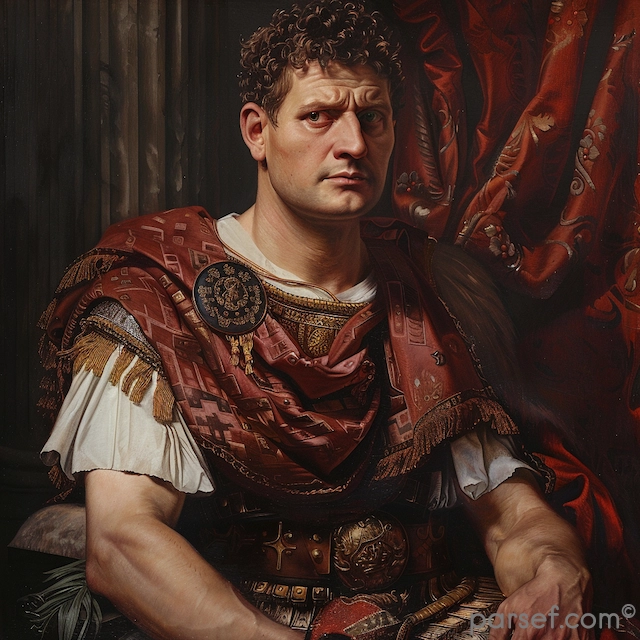
Nero
Nero, the last emperor of the Julio-Claudian dynasty, is remembered for both his early promise and later descent into tyranny.
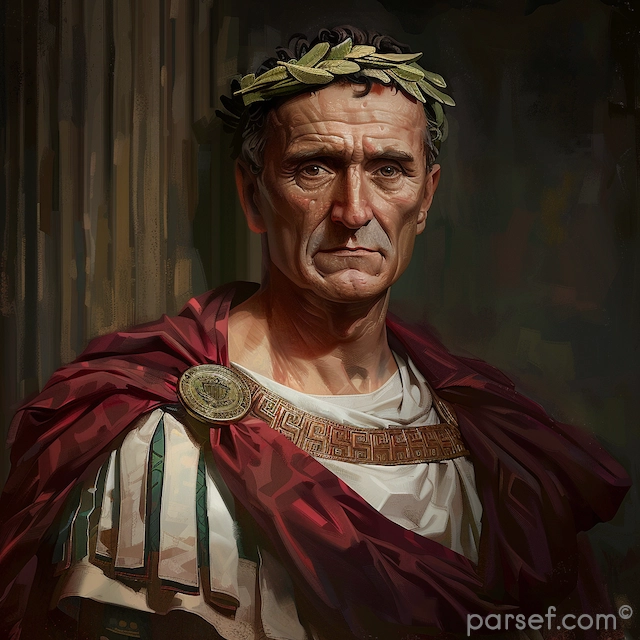
Galba
Galba, a seasoned aristocrat who rose to power after Nero's suicide, faced a turbulent reign marked by financial woes and military discontent.
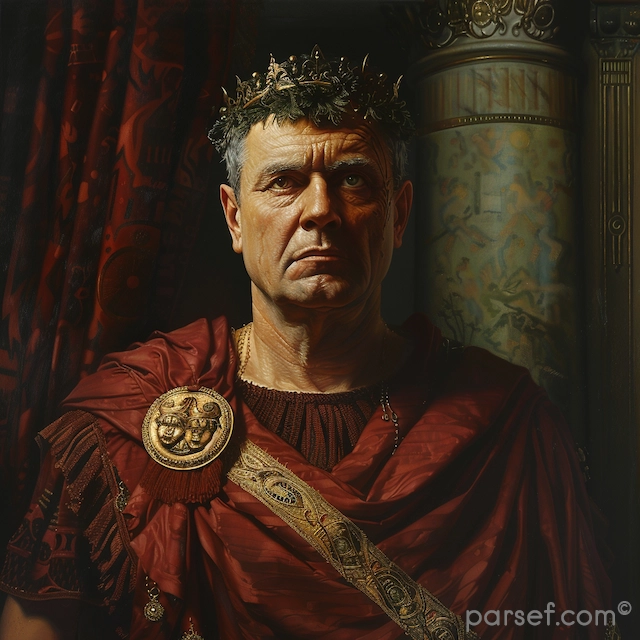
Otho
Ruling for only three months in the tumultuous Year of the Four Emperors, Otho seized power but was defeated and committed suicide.
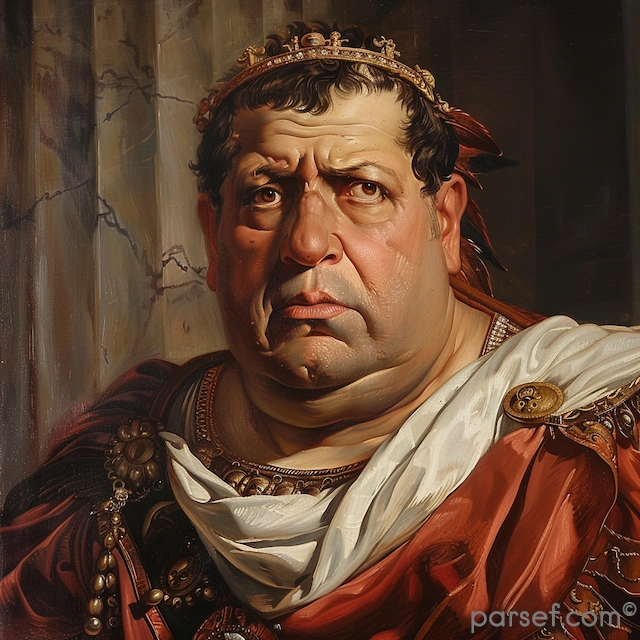
Vitellius
Briefly holding power in 69 AD during the Year of the Four Emperors, Vitellius was known for his indulgence and was ultimately overthrown and killed.
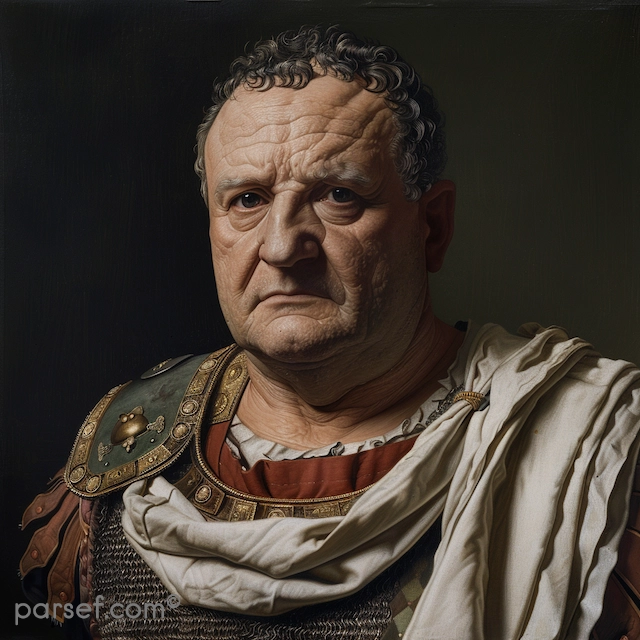
Vespasian
Rising from humble beginnings, Vespasian restored stability to the Roman Empire after a civil war and launched an ambitious building program.
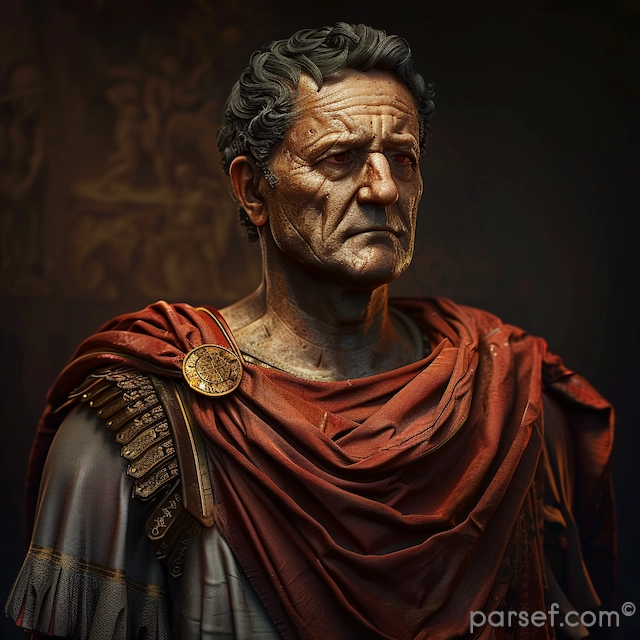
Titus
Son of Vespasian, Titus became emperor known for both his ruthless conquest of Jerusalem and his generosity during disasters.
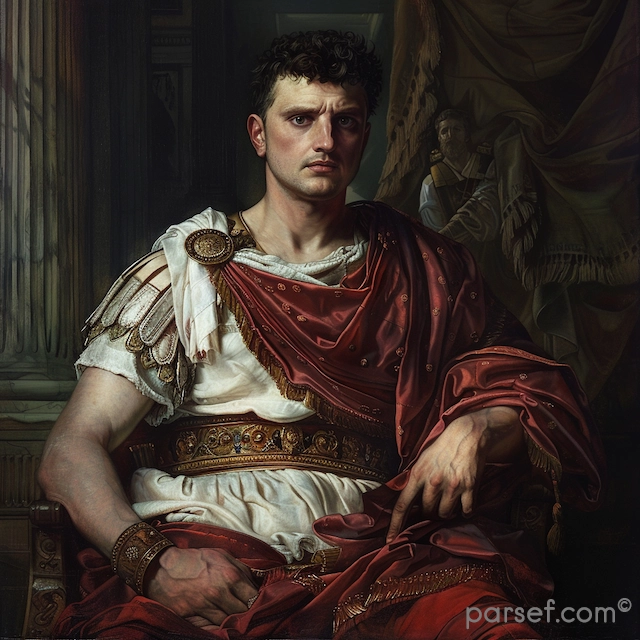
Domitian
Domitian, the last Flavian emperor, strengthened the Roman Empire's borders and economy but was seen as a tyrant by the Senate.
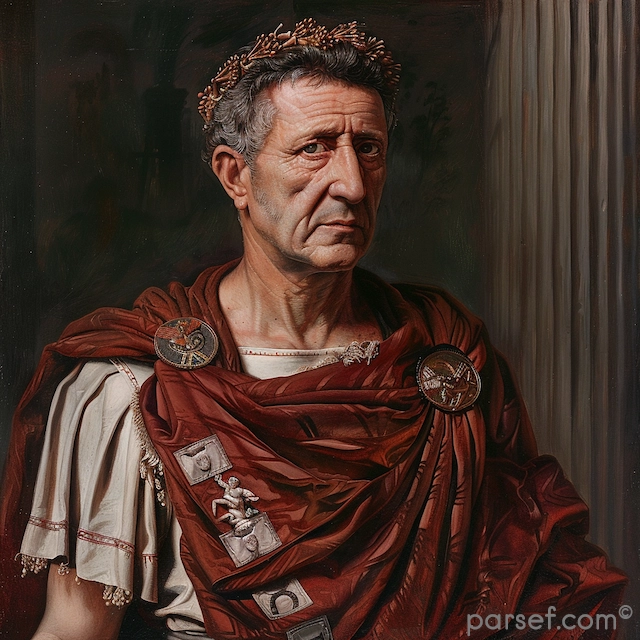
Nerva
Nerva, the first of the Five Good Emperors, ushered in a new era of stability after a period of violence.
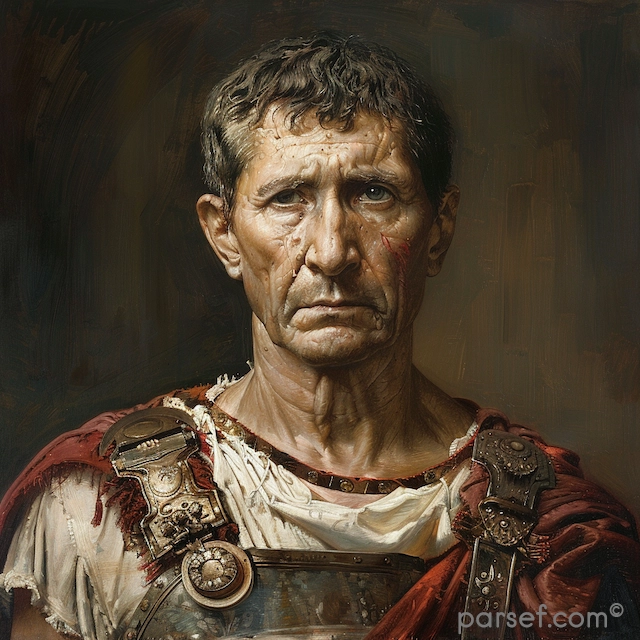
Trajan
Renowned for his military conquests and public works projects, Trajan led the Roman Empire to its greatest territorial extent.
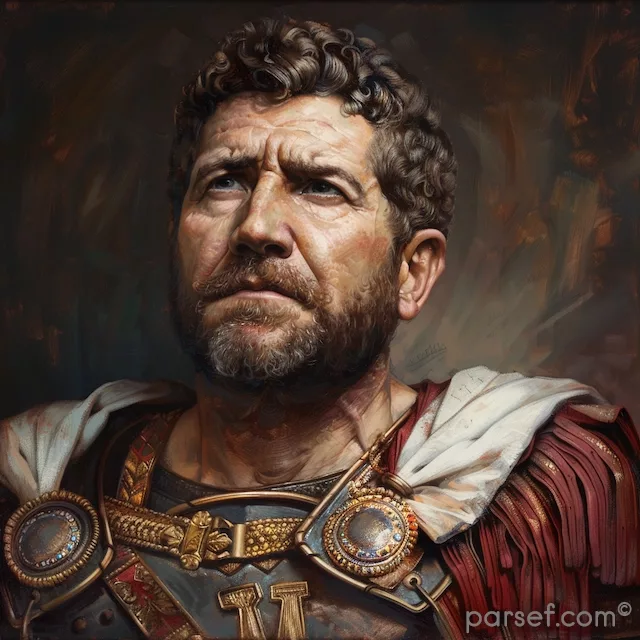
Hadrian
Hadrian, a philhellene emperor known for Hadrian's Wall, consolidated the Roman Empire and focused on internal development.
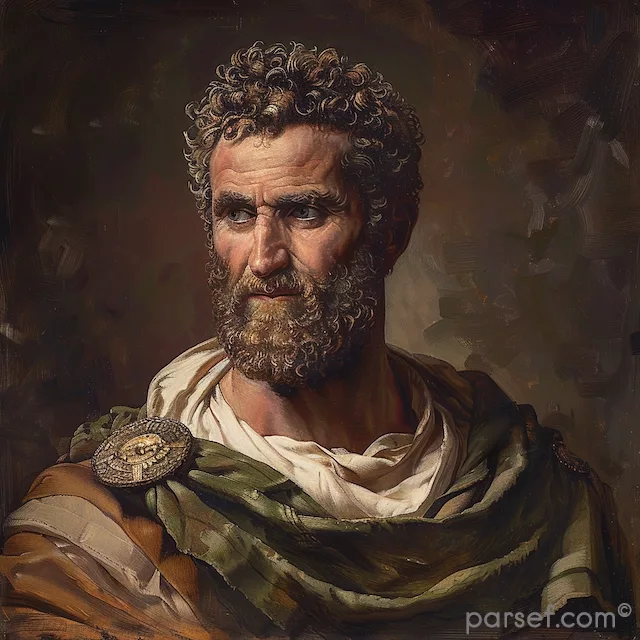
Antoninus Pius
Antoninus Pius, known for his peaceful reign and devotion to public works, was considered one of the Five Good Emperors.
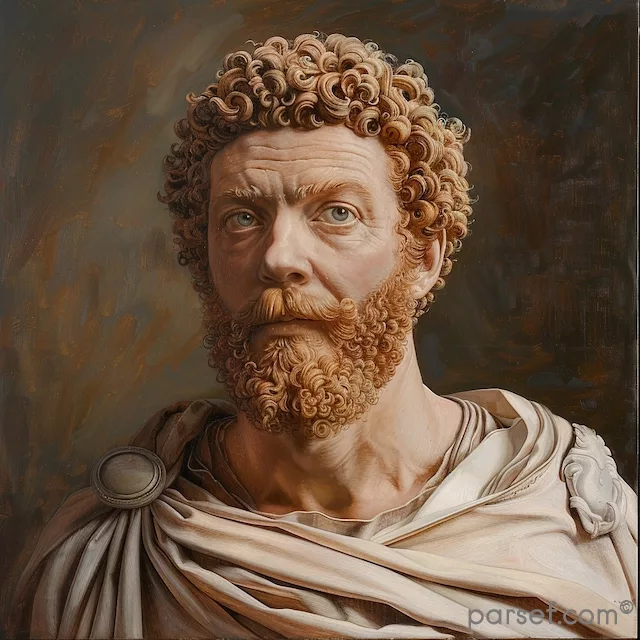
Marcus Aurelius
Marcus Aurelius, the last of the Five Good Emperors, was both a philosopher king and a stoic leader who fought relentlessly to defend the Roman Empire.
Commodus
Son of Marcus Aurelius, his reign marked the end of the Pax Romana and is often considered the beginning of the decline of the Roman Empire.
Pertinax
A short-lived emperor, he ruled for just three months before being assassinated by the Praetorian Guard.
Didius Julianus
Bought the throne in an auction held by the Praetorian Guard, his reign lasted just over two months before he was killed.
Septimius Severus
Founder of the Severan dynasty, he secured his position after defeating his rivals in a civil war.
Caracalla
Known for issuing the Antonine Constitution, granting Roman citizenship to all free men in the Empire.
Geta
Co-ruled with his brother Caracalla, but was murdered by him after their father’s death.
Macrinus
A usurper who became emperor after arranging the assassination of Caracalla. He was overthrown and killed.
Elagabalus
Known for his eccentric and controversial religious practices, he was eventually assassinated by the Praetorian Guard.
Severus Alexander
The last emperor of the Severan dynasty, his reign ended when he was assassinated by his own troops, marking the start of the Crisis of the Third Century.
Maximinus Thrax
Learn how his military background, brutal tactics, and short-lived rule marked the beginning of the Crisis of the Third Century.
Latest

Year of the Four Emperors: A Visual Timeline
📅 68 AD
April: Galba, governor of Hispania Tarraconensis, and Vindex, governor of Gallia Lugdunensis, rebel against Emperor Nero.May: The Rhine legions defeat and kill Vindex in Gaul.June 8: The Senate declares Nero a public enemy.June 9: Nero commits suicide; Galba is recognized as emperor.November: Vitellius is appointed governor of Germania...

The Challenges and Blessings of Being a Christian in Modern Times
Practicing the Christian faith in the modern day is both a blessing and a challenge, but to truly connect with God, we must understand and connect with both the challenges and blessings that God presents us with. We cannot fully appreciate the blessings of our faith without experiencing and overcoming...

Sodom and Gomorrah: The Rise and Fall of Two Ancient Cities
Sodom and Gomorrah are two of the most infamous cities mentioned in ancient religious texts, notably the Bible. For centuries, they have symbolized divine judgment, moral depravity, and catastrophic destruction. Their story is told in the Book of Genesis, and echoes of their downfall reverberate through theology, archaeology, and mythology....

The Book of Revelation: A Historical and Theological Journey
The Book of Revelation, also known as the Apocalypse of John, is one of the most enigmatic and debated texts in the Christian biblical canon. Positioned as the final book of the New Testament, it has captivated theologians, historians, artists, and laypeople alike for nearly two millennia. Its vivid imagery,...
Popular

Driving Toward the Future: Innovations in Sustainable Automotive Technology
As the global focus sharpens on climate change, energy efficiency, and sustainable living, the automotive industry stands at a critical crossroads. Manufacturers, engineers, and policymakers are working in concert to reduce carbon emissions, enhance fuel economy, and reshape transportation for a cleaner tomorrow. At the heart of this revolution lies...
Majestic Ancient Rome: Unveiling the Timeless Splendor of Ancient Roman History Architectural Marvel and Colosseum
Introduction
The history of Rome is an intricate weave of power, culture, and art. It gives ample narratives ever since the rise of the Roman Republic until the Empire Era Greco-Roman civilization is captivating for the world, historians and travelers as well. In this article we tell the story of...

Drive the Magic: Why Renting a Car in Miami is the Key to Unlocking the Best of the City
Miami isn’t just a city—it’s a vibe. With its sun-drenched beaches, pulsing nightlife, exotic cuisine, and vibrant cultural districts, it’s a place that begs to be explored. But here’s the truth: Miami wasn’t made to be experienced from the back seat of a cab or behind the window of a...

The Perfect French Riviera Wedding
The French Riviera: A Timeless Wedding Destination
The French Riviera, or Côte d’Azur, is one of the world’s most iconic destinations for weddings, offering breathtaking coastlines, luxurious estates, and a romantic Mediterranean backdrop. But beyond its modern allure, this glamorous stretch of land has a deep-rooted history that dates back to...
Useful
From Scrolls to Stones: How Museums Document Biblical History
The Bible is more than just a collection of sacred texts—it’s a living document that has shaped centuries of religious, cultural, and historical movements. For thousands of years, it has been passed down through oral traditions, written manuscripts, and monumental inscriptions. The story of how these texts came to be,...

The Role of Horses in the Roman Empire: From War to Sport
If we look back on the Roman Empire, we can see that horses played an important role. They were engines of power and symbols of prestige, and they were used for agriculture, traveling, warfare, and yes, entertainment like chariot races.
Spanning centuries of conquest and culture, horses have always been closely...
Bonsai Trees: The Art, Care, and Beauty of Miniature Trees
Bonsai trees are more than just plants—they are living works of art, shaped and nurtured over time to reflect nature’s beauty in miniature form. Originating from ancient Asian traditions, bonsai trees symbolize harmony, patience, and balance, making them a meaningful and meditative hobby for plant lovers worldwide. Whether you're a...

From Ancient Rome To Today: 4 Games Played By Emperors And Their Modern Equivalents
In history, Ancient Rome had rulers who enjoyed games that involved intelligence and risk-taking. The interesting part is that some of these games have now evolved to their modern versions that still entertain people.
When we look at the Ancient Roman history of emperors having fun, most of them went for...