
Year of the Four Emperors: A Visual Timeline
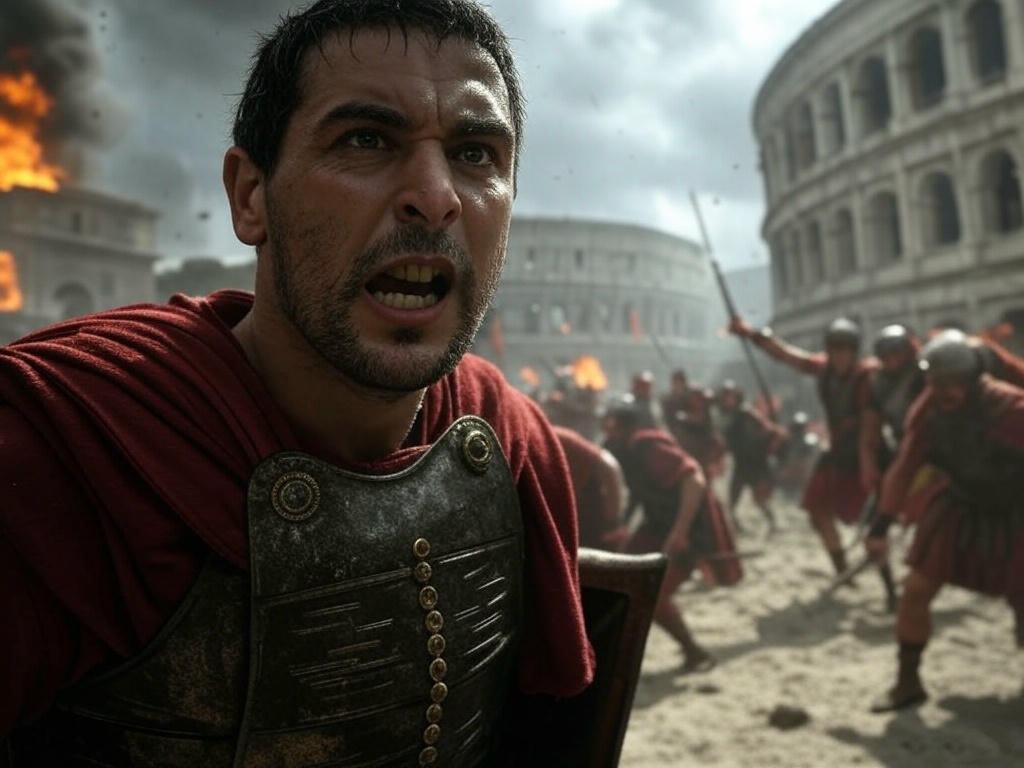
📅 68 AD
- April: Galba, governor of Hispania Tarraconensis, and Vindex, governor of Gallia Lugdunensis, rebel against Emperor Nero.
- May: The Rhine legions defeat and kill Vindex in Gaul.
- June 8: The Senate declares Nero a public enemy.
- June 9: Nero commits suicide; Galba is recognized as emperor.
- November: Vitellius is appointed governor of Germania Inferior by Galba.
📅 69 AD
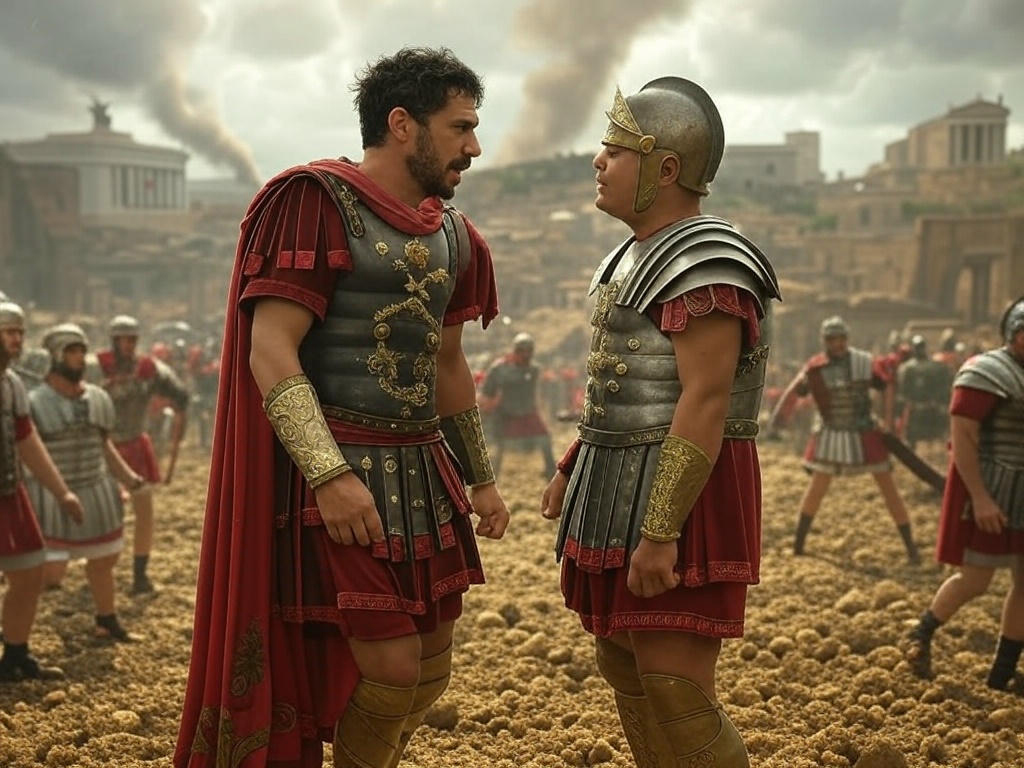
January
- 1st: The Rhine legions refuse to swear loyalty to Galba.
- 2nd: Vitellius is acclaimed emperor by the Rhine legions.
- 10th: Galba adopts Lucius Calpurnius Piso Licinianus as his heir.
- 15th: Galba and Piso are assassinated by the Praetorian Guard; Otho is proclaimed emperor.
April
- 14th: First Battle of Bedriacum: Vitellius' forces defeat Otho's army.
- 16th: Otho commits suicide.
- 19th: Vitellius is recognized as emperor by the Senate.
July
- 1st: Vespasian is proclaimed emperor by the legions in Egypt under Tiberius Julius Alexander.
- 3rd: The army in Judea swears allegiance to Vespasian.
October
- 24th: Second Battle of Bedriacum: Flavian forces under Marcus Antonius Primus defeat Vitellius' army.
December
- 20th: Vitellius is captured and executed by Flavian forces.
- 21st: Vespasian is recognized as emperor by the Senate.
Related Posts
Caracalla: The Emperor of Bloodshed and the Architect of Roman Citizenship
Caracalla, son of the formidable Emperor Septimius Severus, is a complex and contradictory figure in Roman history. Often remembered for his brutality and paranoia, he is equally renowned for one of the most far-reaching edicts in Roman law. His reign was marked by a tumultuous blend of violence and reform. Shortly...
Read More
Vespasian: Rebuilding Rome and the Legacy of the Flavian Dynasty
The Roman Empire has seen its share of dynasties and emperors, but few have left as lasting a legacy as Vespasian and the Flavian Dynasty. Vespasian, the founder of this dynasty, rose to power during a time of turmoil and financial crisis and proceeded to transform Rome. In this article,...
Read More
The Challenges and Blessings of Being a Christian in Modern Times
Christianity, born in a time of Roman rule and cultural upheaval, has always thrived amid paradox: power through humility, victory through suffering, life through death. In modern times—marked by rapid technological advancement, shifting moral landscapes, and growing religious pluralism—being a Christian is both profoundly challenging and richly rewarding. It calls...
Read More
Driving Toward the Future: Innovations in Sustainable Automotive Technology
As the global focus sharpens on climate change, energy efficiency, and sustainable living, the automotive industry stands at a critical crossroads. Manufacturers, engineers, and policymakers are working in concert to reduce carbon emissions, enhance fuel economy, and reshape transportation for a cleaner tomorrow. At the heart of this revolution lies...
Read More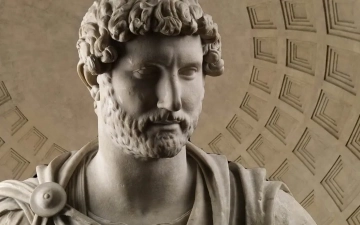
Hadrian: Building Walls and Bridges in Ancient Rome
In the annals of Roman history, Emperor Hadrian stands out as a multifaceted ruler known for his significant architectural projects, military achievements, and contributions to the empire's cultural development. His reign, from 117 to 138 CE, was marked by a commitment to both defending and connecting the vast Roman territories....
Read More
Matthew Henry’s Concise Commentary: A Timeless Guide to Biblical Understanding
Matthew Henry’s Concise Commentary on the Whole Bible is one of the most enduring and widely used resources for Bible study. Known for its clarity, depth, and spiritual insight, this commentary distills the essence of Matthew Henry’s original six-volume work into a shorter, more accessible format. It has been cherished...
Read More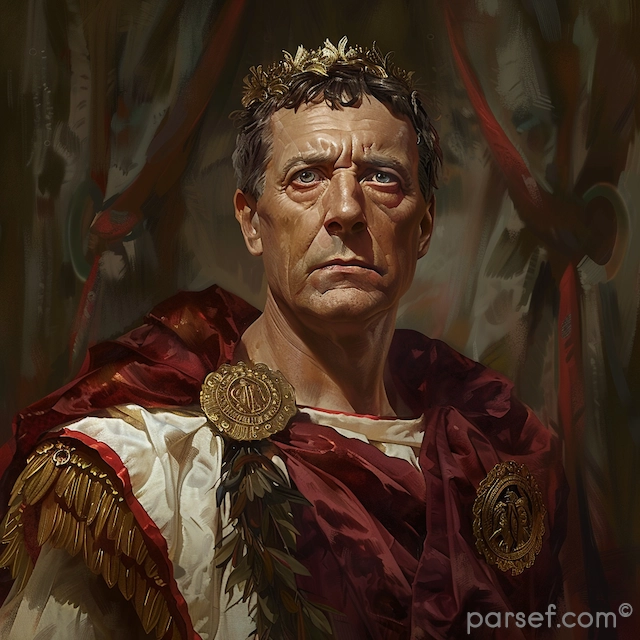
Julius Caesar
Julius Caesar, a brilliant general and statesman, played a critical role in the shift from the Roman Republic to the Roman Empire.
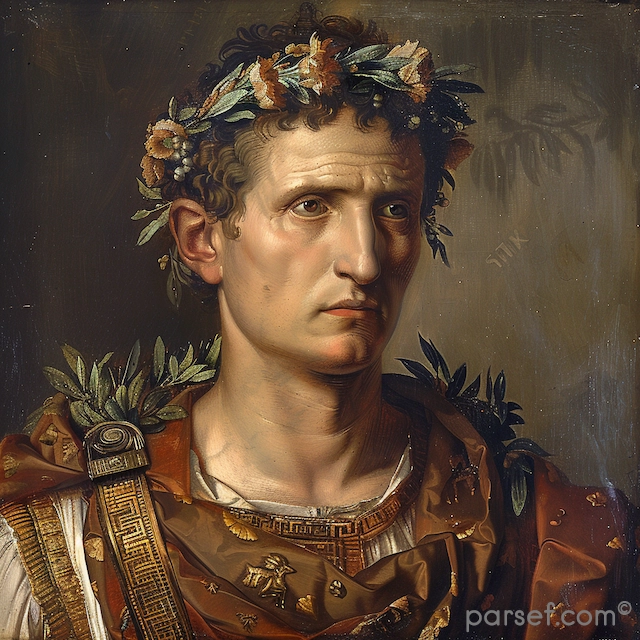
Augustus
Augustus, the first Roman emperor, ushered in an era of peace and prosperity known as the Pax Romana.
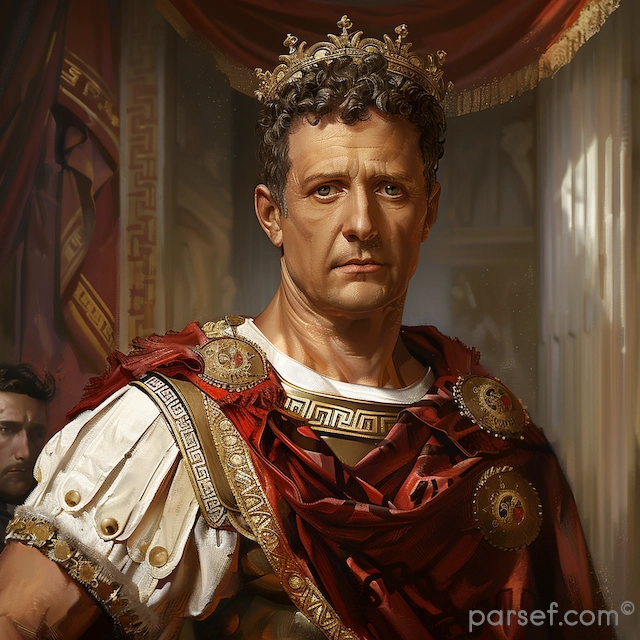
Tiberius
Succeeding Augustus, Tiberius, a skilled military leader, became a controversial emperor known for both stability and a later reign of terror.
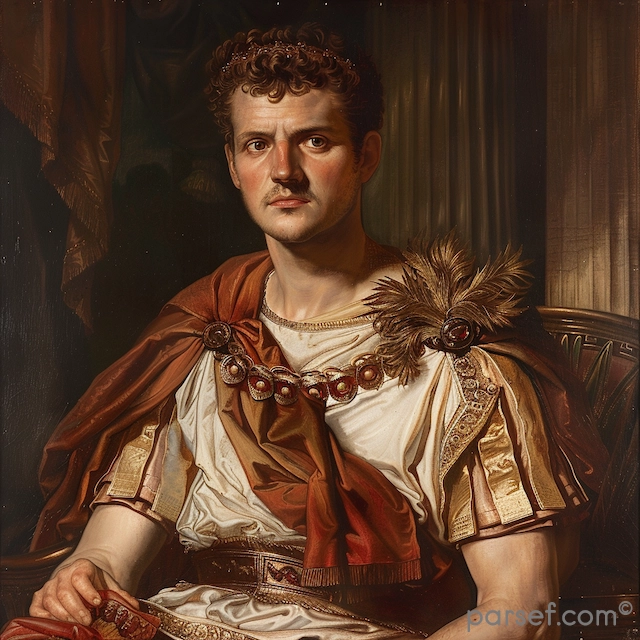
Caligula
Caligula, notorious for his cruelty and extravagance, ruled Rome for just four chaotic years.
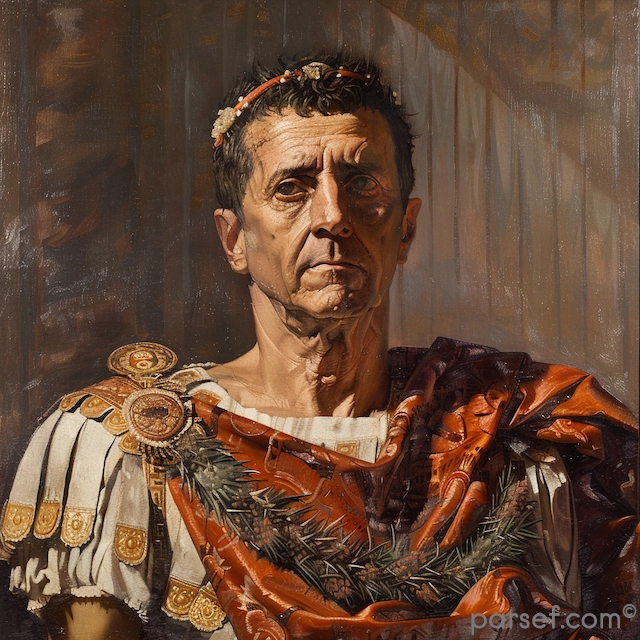
Claudius
Overcoming a reputation for disability, Claudius proved to be a capable emperor who expanded the Roman Empire and improved its infrastructure.
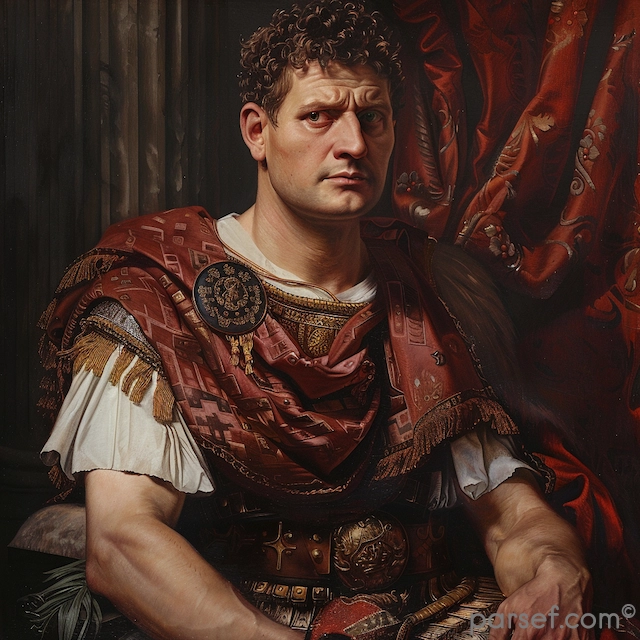
Nero
Nero, the last emperor of the Julio-Claudian dynasty, is remembered for both his early promise and later descent into tyranny.
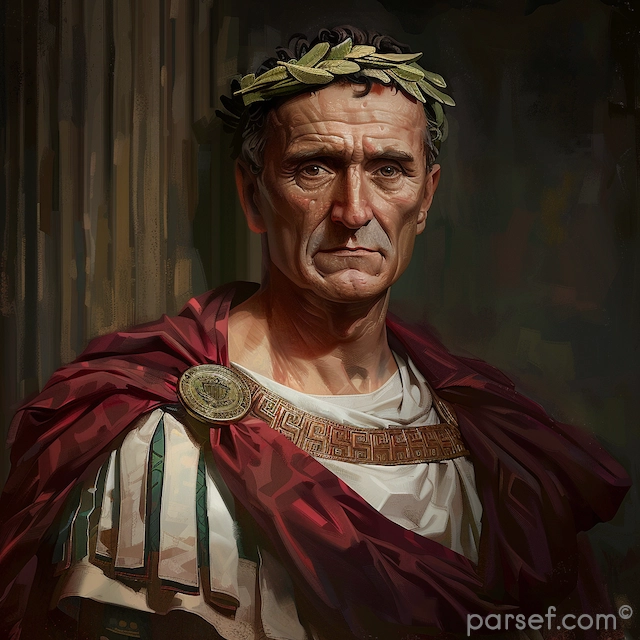
Galba
Galba, a seasoned aristocrat who rose to power after Nero's suicide, faced a turbulent reign marked by financial woes and military discontent.
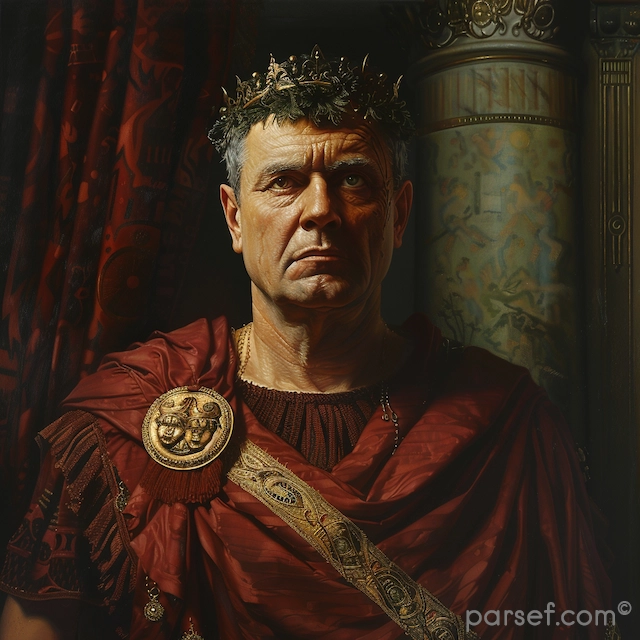
Otho
Ruling for only three months in the tumultuous Year of the Four Emperors, Otho seized power but was defeated and committed suicide.
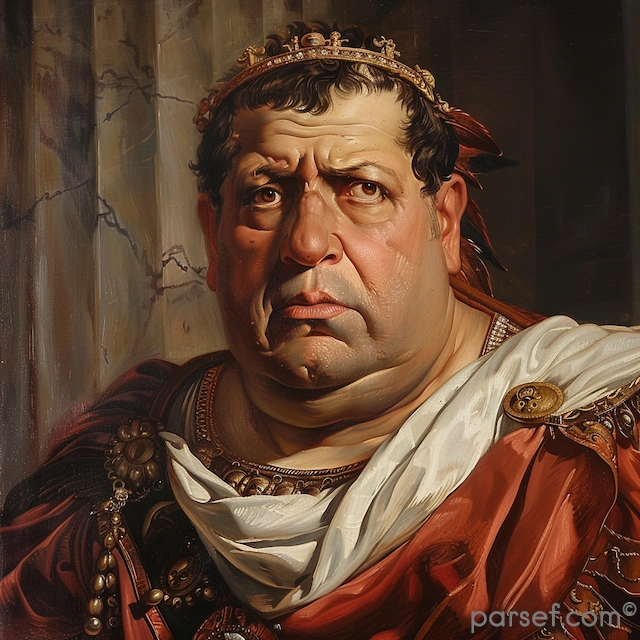
Vitellius
Briefly holding power in 69 AD during the Year of the Four Emperors, Vitellius was known for his indulgence and was ultimately overthrown and killed.
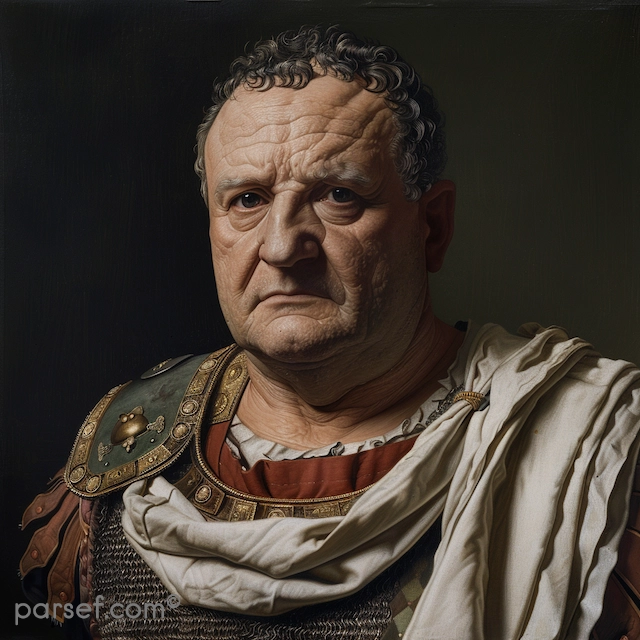
Vespasian
Rising from humble beginnings, Vespasian restored stability to the Roman Empire after a civil war and launched an ambitious building program.
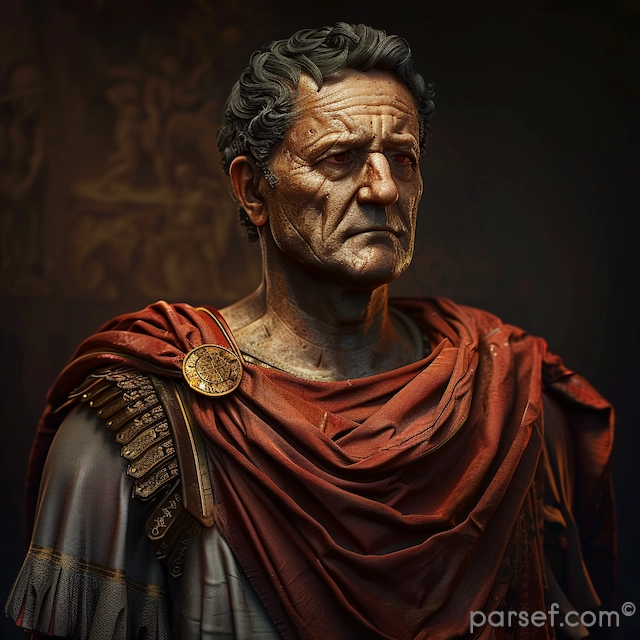
Titus
Son of Vespasian, Titus became emperor known for both his ruthless conquest of Jerusalem and his generosity during disasters.
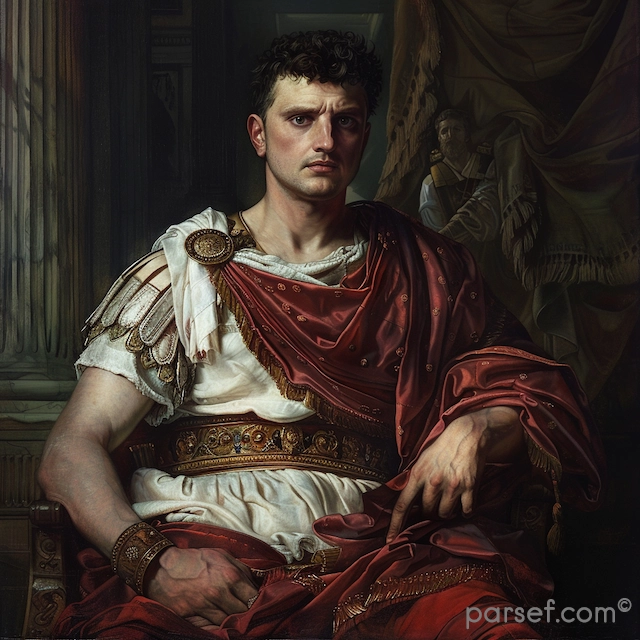
Domitian
Domitian, the last Flavian emperor, strengthened the Roman Empire's borders and economy but was seen as a tyrant by the Senate.
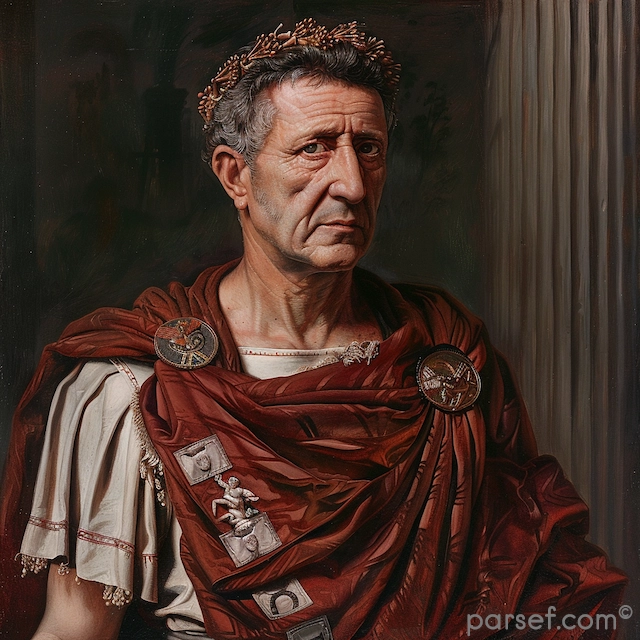
Nerva
Nerva, the first of the Five Good Emperors, ushered in a new era of stability after a period of violence.
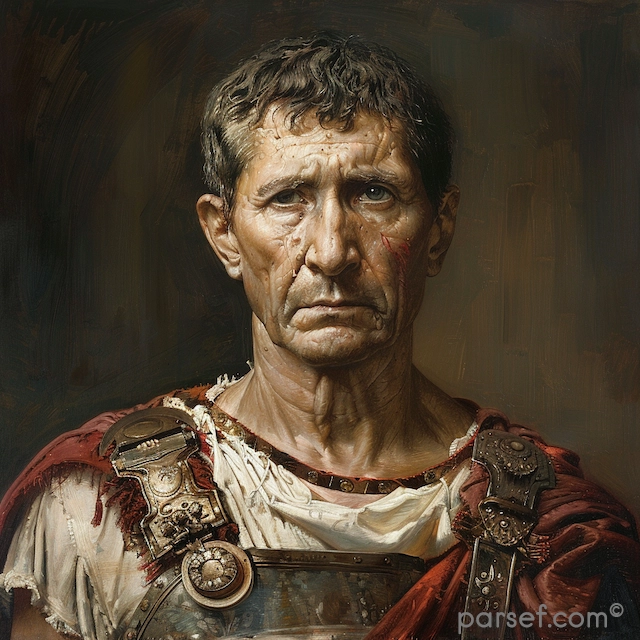
Trajan
Renowned for his military conquests and public works projects, Trajan led the Roman Empire to its greatest territorial extent.
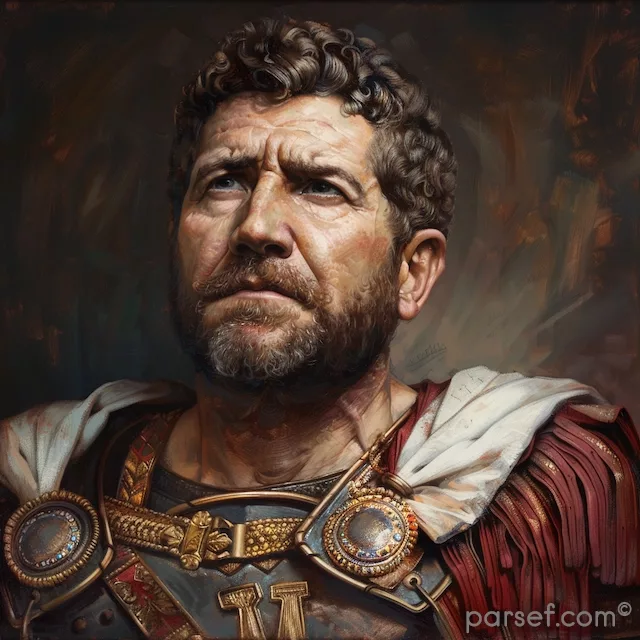
Hadrian
Hadrian, a philhellene emperor known for Hadrian's Wall, consolidated the Roman Empire and focused on internal development.
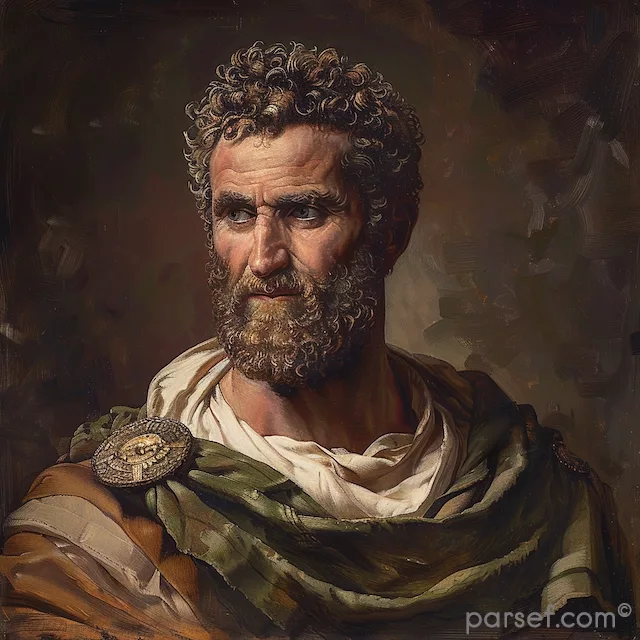
Antoninus Pius
Antoninus Pius, known for his peaceful reign and devotion to public works, was considered one of the Five Good Emperors.
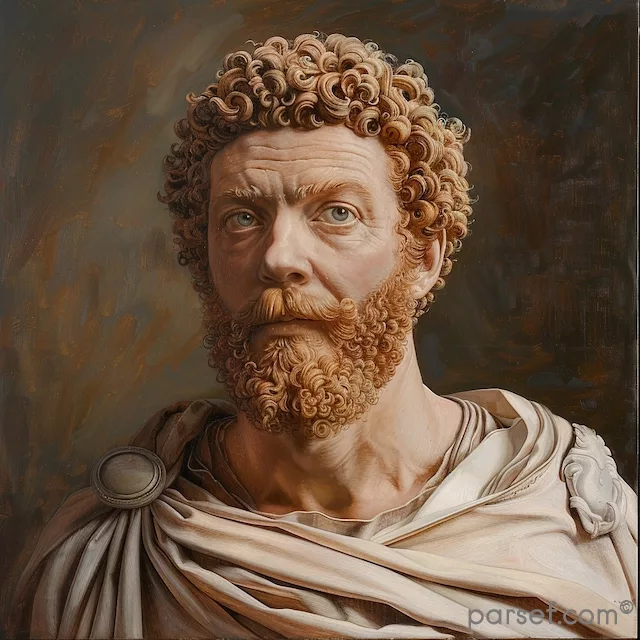
Marcus Aurelius
Marcus Aurelius, the last of the Five Good Emperors, was both a philosopher king and a stoic leader who fought relentlessly to defend the Roman Empire.
Commodus
Son of Marcus Aurelius, his reign marked the end of the Pax Romana and is often considered the beginning of the decline of the Roman Empire.
Pertinax
A short-lived emperor, he ruled for just three months before being assassinated by the Praetorian Guard.
Didius Julianus
Bought the throne in an auction held by the Praetorian Guard, his reign lasted just over two months before he was killed.
Septimius Severus
Founder of the Severan dynasty, he secured his position after defeating his rivals in a civil war.
Caracalla
Known for issuing the Antonine Constitution, granting Roman citizenship to all free men in the Empire.
Geta
Co-ruled with his brother Caracalla, but was murdered by him after their father’s death.
Macrinus
A usurper who became emperor after arranging the assassination of Caracalla. He was overthrown and killed.
Elagabalus
Known for his eccentric and controversial religious practices, he was eventually assassinated by the Praetorian Guard.
Severus Alexander
The last emperor of the Severan dynasty, his reign ended when he was assassinated by his own troops, marking the start of the Crisis of the Third Century.
Maximinus Thrax
Learn how his military background, brutal tactics, and short-lived rule marked the beginning of the Crisis of the Third Century.