
Roman Emperor Claudius
41 - 54 A.D.
Tiberius Claudius Nero Germanicus
Busts, Statues, Coins, Information, Maps, Images, and More
Claudius Busts and Statues
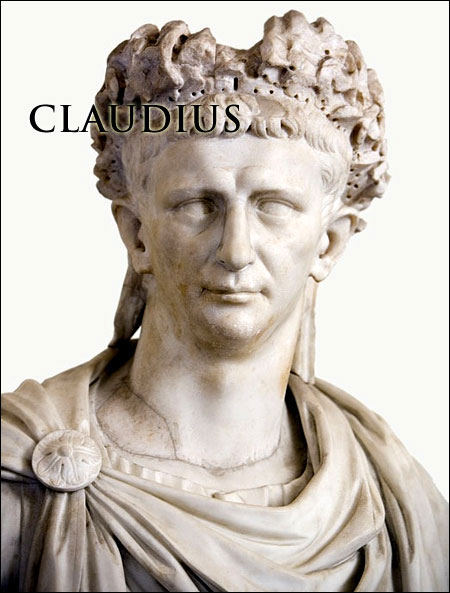
1. Bust of Claudius
Claudius was the 4th Emperor of Ancient Rome. He was not the likely candidate to succeed Caligula because of a deformity from his youth and because he had no political experience. Claudius proved to be a strong administrator and a great builder of public works. He expanded the Empire During his reign. National Museum Naples, Italy
2. Bust of the Emperor Claudius
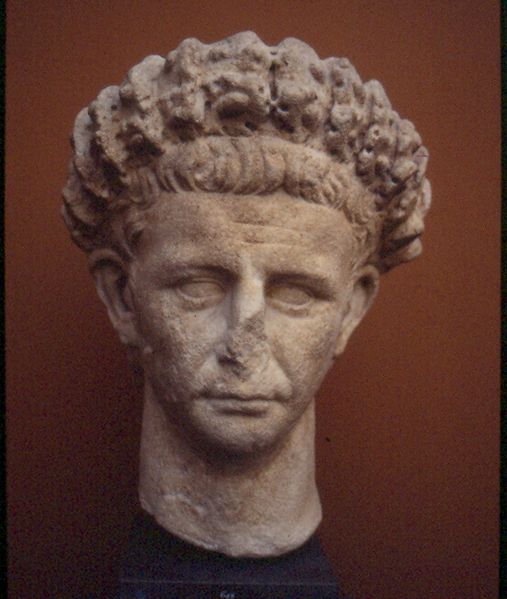
He is wearing an oak wreath. According to history, Claudius was affected with some kind of disability, probably infantile paralysis or Polio. The portrait of this bust shows a man who seems to be suffering with illness, which he had. From the NY Carlsberg Glyptotek, Copenhagen.
3. Portrait of Claudius
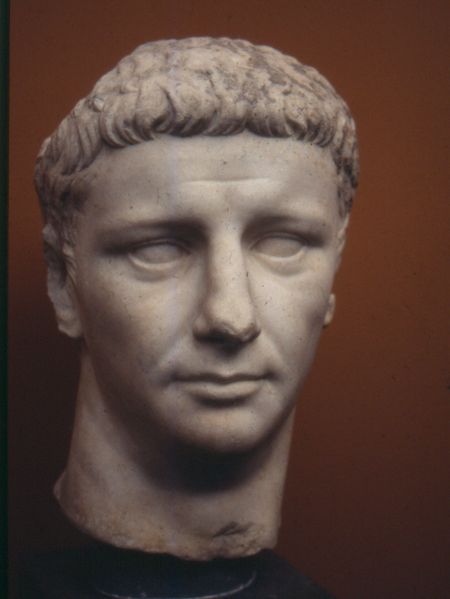
The bust is from NY Carlsberg Glyptotek, Copenhagen. The way he looks seems fragile and innocent, yet he was accused of being a womanizer. Suetonius said that "He had a great passion for women, but had no interest in men." The only one not to take young boys or men as homosexual lovers.
4. Bronze Head of Claudius
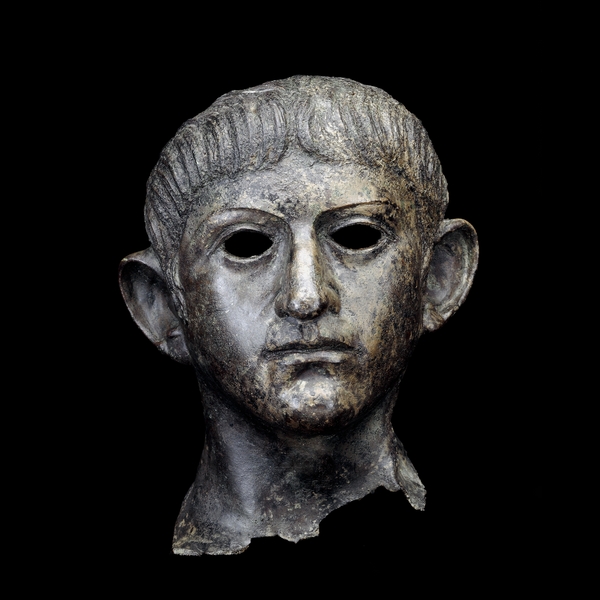
This head of the Emperor Claudius was discovered in the River Alde, Rendham, Sussex, in the first century AD. It is made of bronze and currently on display at the British Museum.
5. Colossal Head of Claudius
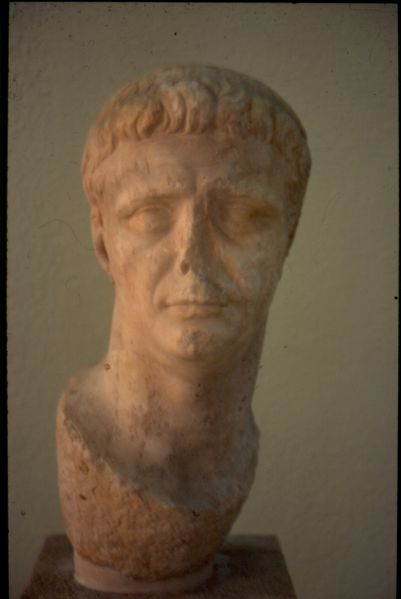
This head is from the ruins of the colossal statue of the Emperor Claudius in Piraeus Museum, Greece. He was believed to be overly trusting in that he allowed himself to be influenced by some of the corrupt figures of his time, including the senate.
6. Imperial Portrait of Claudius
The aura on his face portrays an old man with slumber eyes probably from the strain he gets from bribing the army to secure their loyalty. He was the first emperor to resort to bribery.
7. Statue of Claudius as Jupiter
This marble statue of Claudius portrays him as the embodiment of Jupiter with the sceptre, a sign of Jupiter's absolute rule. He also has the eagle by his side which also accompanied Jupiter, but instead of holding a lighting bolt he holds a libation dish offering a libation for his country. 1st century A.D. Vatican Museums, Rome
8. Bust of Claudius as Jupiter
This Roman Artwork was made of marble and is from the Imperial Period. Claudius and also Domitian, adopted the traits of Jupiter to their portraits to emphasize their power over the world. Vatican Museums.
Claudius Coins
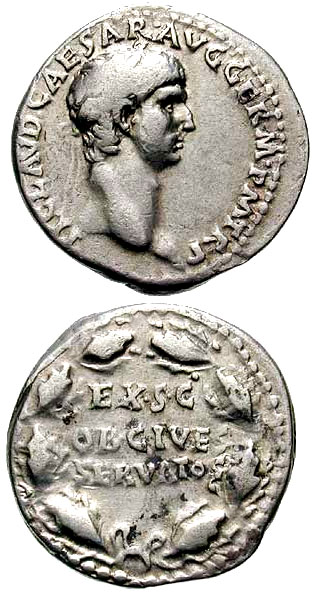
1. Sestertius of Claudius
The inscription on the front reads: "TI CLAVDIVS CAESAR AVG P M TR P IMP P P" and inside is the wreathed head of Claudius. On the reverse is the inscription: "EX S C - P P - OB CIVES - SERVATOS" in four lines surrounded with an oak wreath.
2. Bronze Coin of Claudius
The laureate head of Claudius is on the front (Obverse) with his title "TICLAVD IV SCAESARAVGPMTRPIMP". On the reverse is the goddess of Hope, Spes holding a flower and raising the skirt with SC in exergue. The caption "Spes Augusta", when translated mean "Hope of the Emperor".
3. Claudius Coin
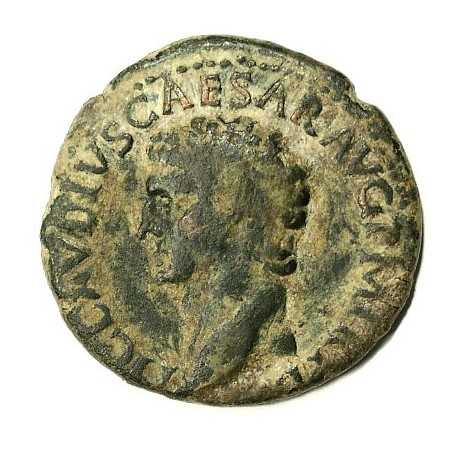
This coin is barely viewable, but it"s possibly a bare head of Caligula, with perhaps this inscription "TI CLAVDIVS CAESAR AVG PM TRP IMP PP".
More to Come
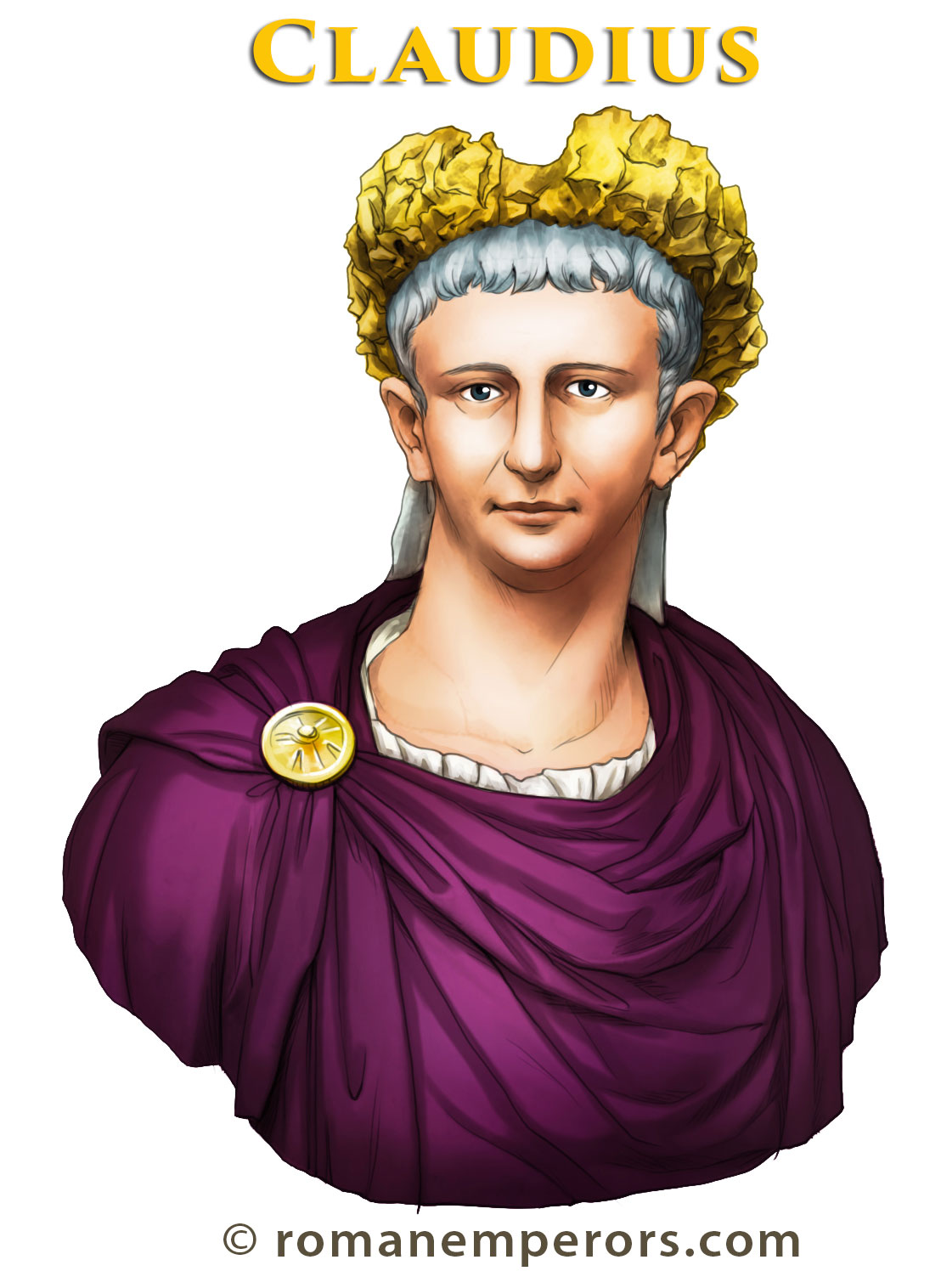
"Scholar"
Claudius was the uncle of Caligula and fourth Emperor of Rome. He was a scholar who had the historian Livy as one of his tutors. He also stumbled as he walked. He suffered from a deformity because of polio, paralyzed as an infant. He was not taken very seriously until he became emperor or Rome, and gained prominence by his decisions. He added at least five provinces to the Empire, including Britain and Morocco (Mauretania). He appointed his freedmen to run the bureaucracy, including Pallas to run the treasury.
Paul the Apostle went on his missionary journeys mainly during the reign of Claudius, and while he was in prison in Caesarea for two years when Felix (brother of Pallas) was procurator of Judea.
Claudius was not very wise in choosing his wives. His first wife was Messalina and she was very unfaithful, so Claudius was advised to have her executed and he did so. It was written of him that he would forget that she was dead and would expect her to show up at the dinner. His second wife was Agrippina she wanted her son Nero to be Emperor so one night she murdered Claudius by feeding him poisonous mushrooms. Nero then took the throne.
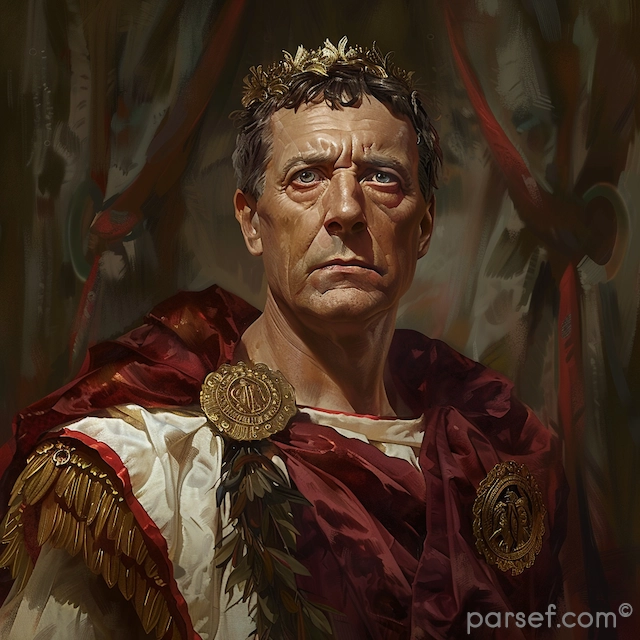
Julius Caesar
Julius Caesar, a brilliant general and statesman, played a critical role in the shift from the Roman Republic to the Roman Empire.
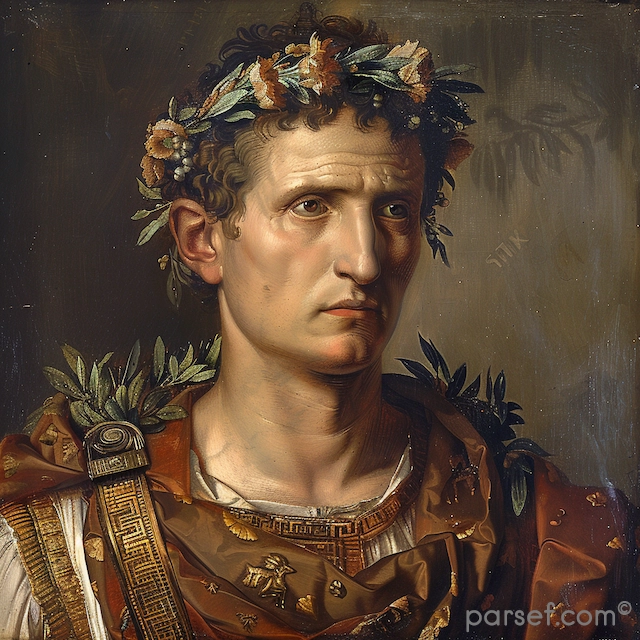
Augustus
Augustus, the first Roman emperor, ushered in an era of peace and prosperity known as the Pax Romana.
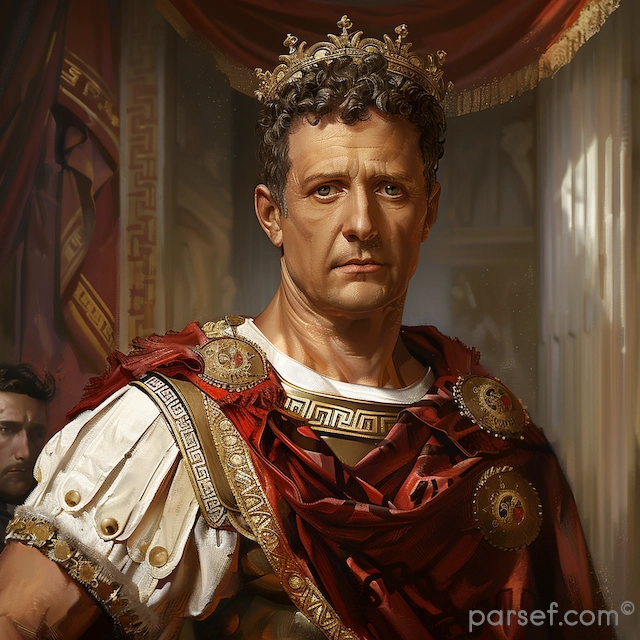
Tiberius
Succeeding Augustus, Tiberius, a skilled military leader, became a controversial emperor known for both stability and a later reign of terror.
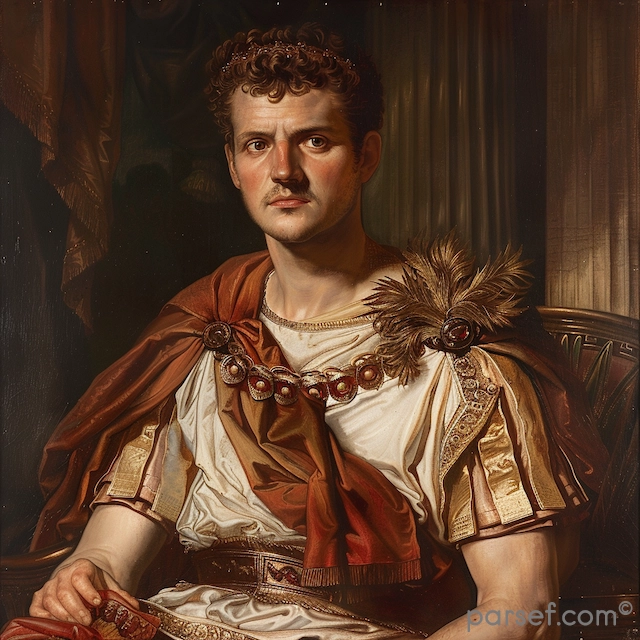
Caligula
Caligula, notorious for his cruelty and extravagance, ruled Rome for just four chaotic years.
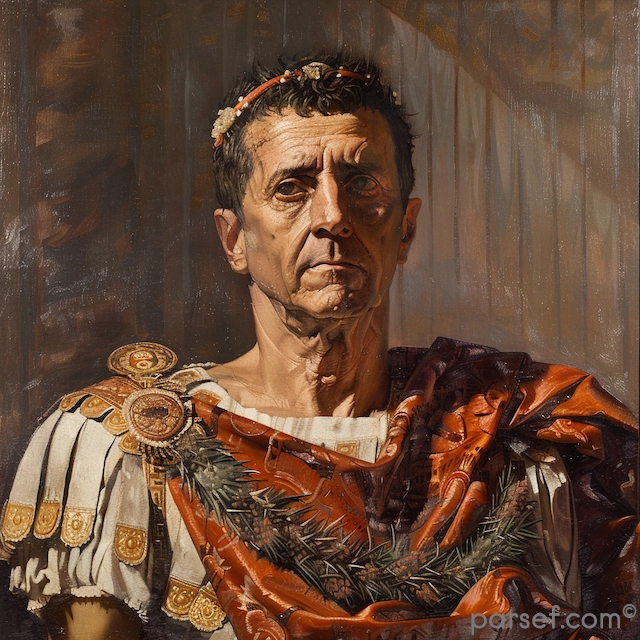
Claudius
Overcoming a reputation for disability, Claudius proved to be a capable emperor who expanded the Roman Empire and improved its infrastructure.
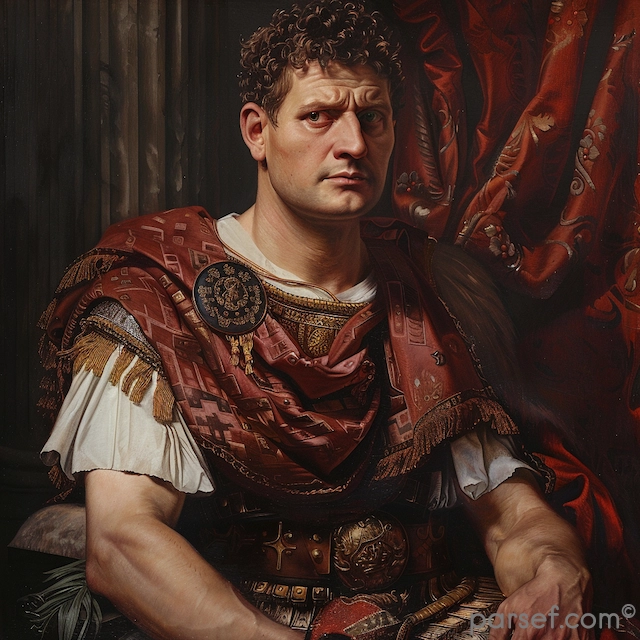
Nero
Nero, the last emperor of the Julio-Claudian dynasty, is remembered for both his early promise and later descent into tyranny.
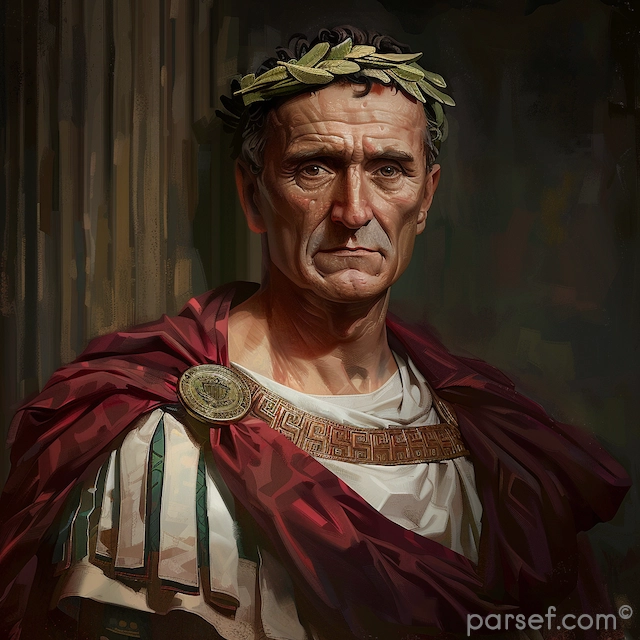
Galba
Galba, a seasoned aristocrat who rose to power after Nero's suicide, faced a turbulent reign marked by financial woes and military discontent.
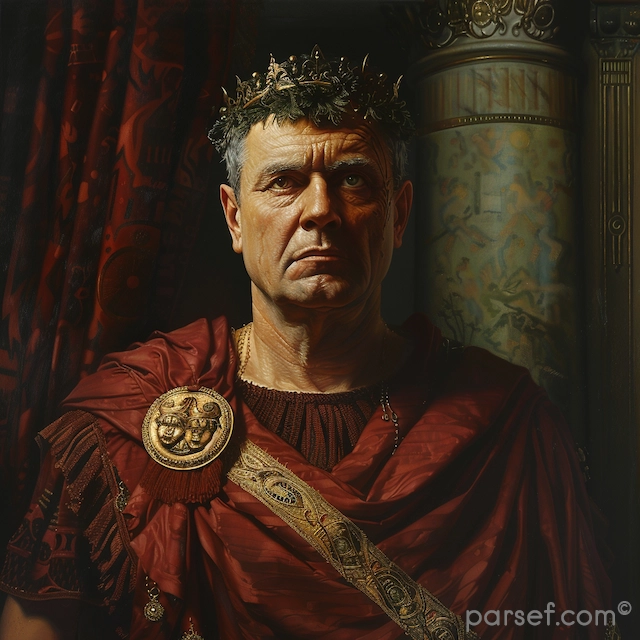
Otho
Ruling for only three months in the tumultuous Year of the Four Emperors, Otho seized power but was defeated and committed suicide.
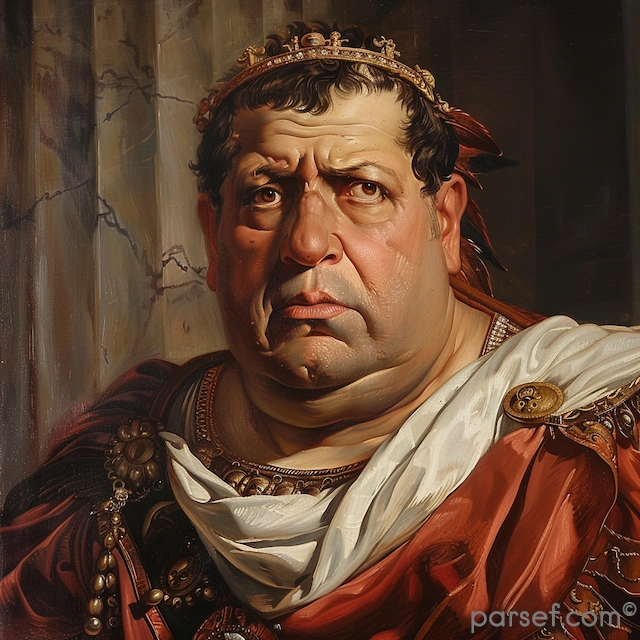
Vitellius
Briefly holding power in 69 AD during the Year of the Four Emperors, Vitellius was known for his indulgence and was ultimately overthrown and killed.
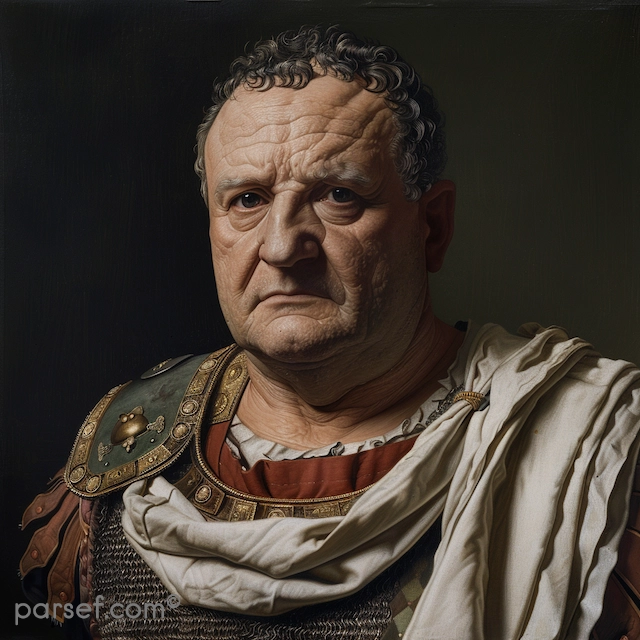
Vespasian
Rising from humble beginnings, Vespasian restored stability to the Roman Empire after a civil war and launched an ambitious building program.
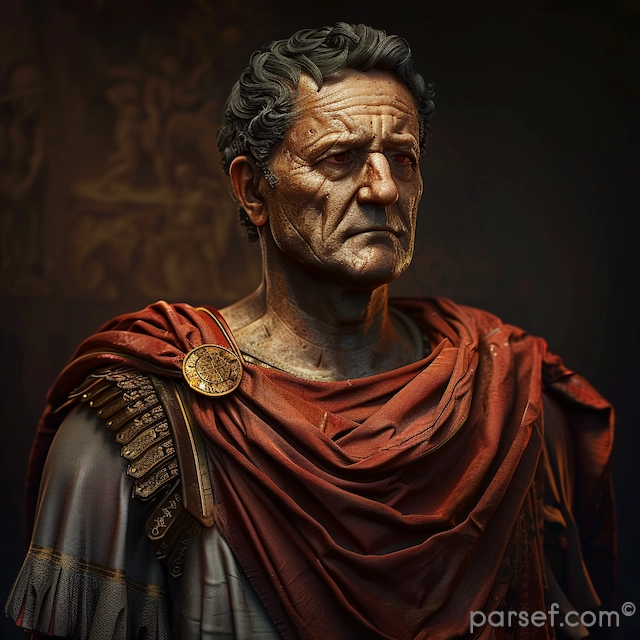
Titus
Son of Vespasian, Titus became emperor known for both his ruthless conquest of Jerusalem and his generosity during disasters.
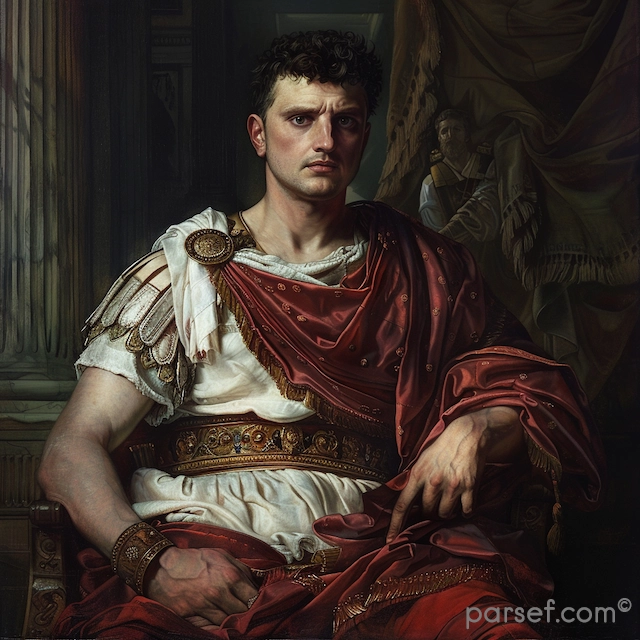
Domitian
Domitian, the last Flavian emperor, strengthened the Roman Empire's borders and economy but was seen as a tyrant by the Senate.
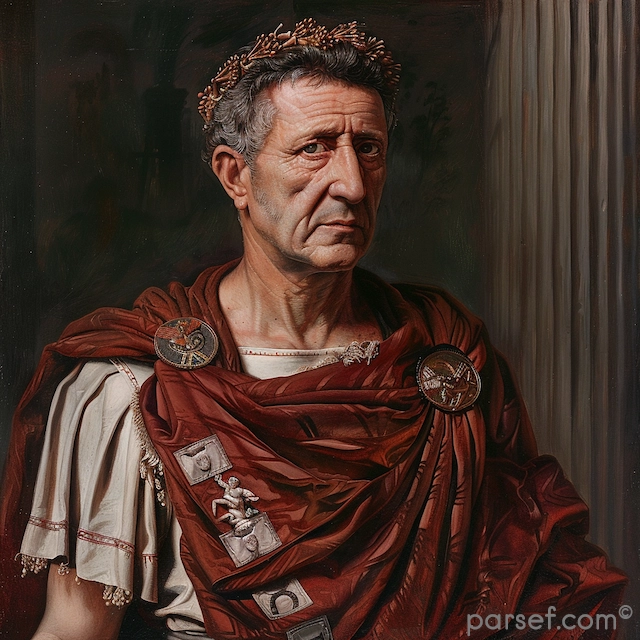
Nerva
Nerva, the first of the Five Good Emperors, ushered in a new era of stability after a period of violence.
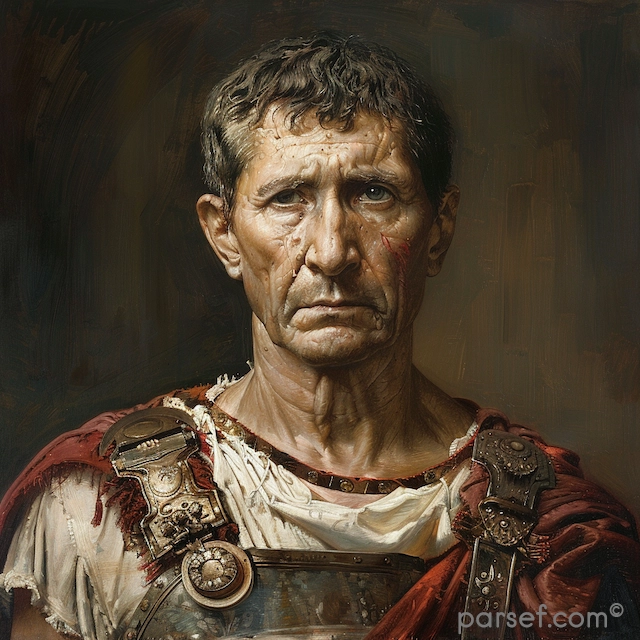
Trajan
Renowned for his military conquests and public works projects, Trajan led the Roman Empire to its greatest territorial extent.
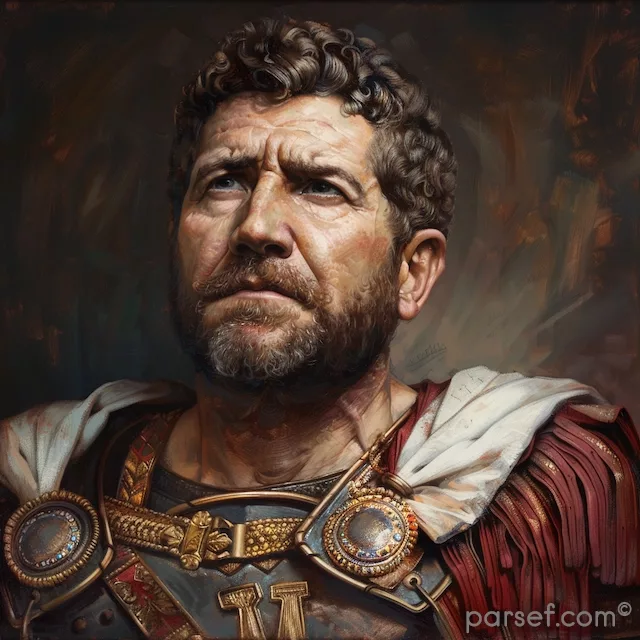
Hadrian
Hadrian, a philhellene emperor known for Hadrian's Wall, consolidated the Roman Empire and focused on internal development.
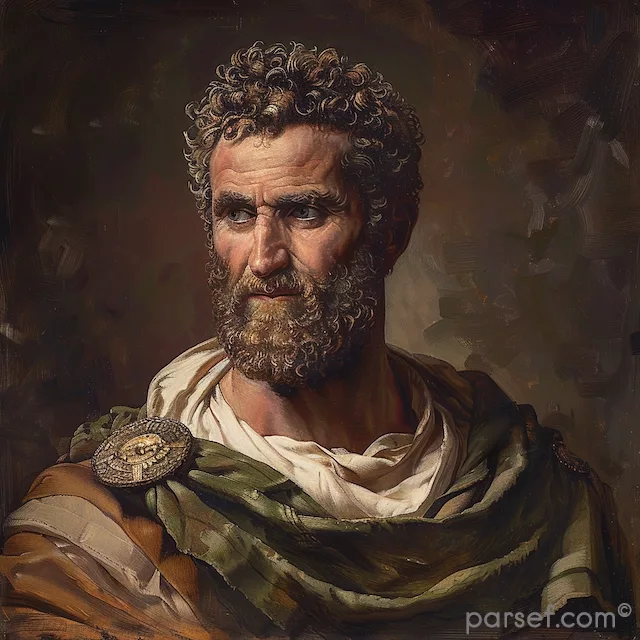
Antoninus Pius
Antoninus Pius, known for his peaceful reign and devotion to public works, was considered one of the Five Good Emperors.
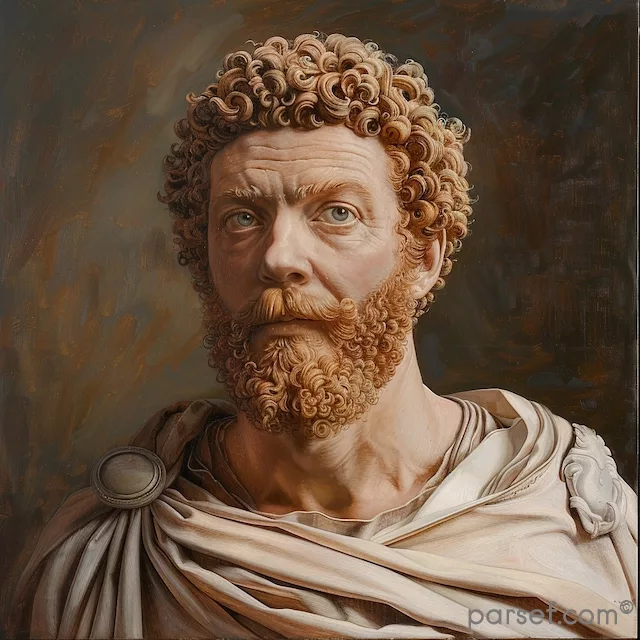
Marcus Aurelius
Marcus Aurelius, the last of the Five Good Emperors, was both a philosopher king and a stoic leader who fought relentlessly to defend the Roman Empire.
Latest

Claudius: The Unexpected Emperor and His Surprising Achievements
In the annals of Roman history, the name Claudius stands out as a remarkable story of an unexpected emperor who defied the odds and left behind a legacy of significant achievements. Often underestimated due to physical disabilities, Claudius rose to power and proved to be a capable and innovative ruler....
Trajan: Expanding the Roman Empire to Its Zenith
The Roman Empire, at its zenith, was a sprawling realm that stretched from Britannia in the north to Egypt in the south, and from Hispania in the west to Mesopotamia in the east. Among the emperors who played a pivotal role in this expansion and solidified Rome's dominance was Trajan....

Marcus Aurelius: Philosophy and Leadership in the Midst of Turmoil
In the annals of Roman history, the name Marcus Aurelius stands as a symbol of wisdom, Stoic philosophy, and leadership during times of great adversity. His reign as Emperor from 161 to 180 CE coincided with challenging periods for the Roman Empire, including external threats and internal strife. In this...

The Rise and Fall of Julius Caesar: A Tale of Ambition and Betrayal
Julius Caesar, a name that echoes through the corridors of history as one of ancient Rome's most prominent and controversial figures. His life, marked by ambition, military genius, and ultimate betrayal, is a tale that continues to captivate and intrigue.
The Ascent of Ambition
Julius Caesar was born in 100 BCE into...
Popular

Nero: The Notorious Emperor Who Fiddled While Rome Burned
The name Nero is synonymous with tyranny, extravagance, and the infamous image of an emperor who, according to legend, played the fiddle while Rome was engulfed in flames. Nero's reign is a dark chapter in the history of the Roman Empire, marked by cruelty, decadence, and the disastrous Great Fire...

Caligula: Madness and Infamy in the Roman Empire
The name Caligula is synonymous with madness and infamy in the annals of Roman history. Gaius Julius Caesar Augustus Germanicus, known as Caligula, was the third Roman Emperor, and his tumultuous reign left an indelible mark of cruelty, debauchery, and tyranny. In this article, we delve into the life and...

Domitian: The Last of the Flavian Emperors and His Reign of Terror
In the annals of Roman history, the reign of Domitian, the youngest son of Vespasian and the last of the Flavian emperors, is often remembered as a time of tyranny, repression, and political intrigue. Domitian's rule, which lasted from 81 to 96 CE, stands in stark contrast to the relative...

The Colossal Footprint: Exploring the Roman Empire at its Greatest Extent
The Roman Empire, a name that evokes images of gladiatorial combat, sprawling aqueducts, and stoic emperors, wasn't just a powerful state; it was a colossal empire that stretched across continents. But how vast was its reach at its zenith? This post delves into the greatest extent of the Roman Empire,...
Useful

Vespasian: Rebuilding Rome and the Legacy of the Flavian Dynasty
The Roman Empire has seen its share of dynasties and emperors, but few have left as lasting a legacy as Vespasian and the Flavian Dynasty. Vespasian, the founder of this dynasty, rose to power during a time of turmoil and financial crisis and proceeded to transform Rome. In this article,...

Hadrian: Building Walls and Bridges in Ancient Rome
In the annals of Roman history, Emperor Hadrian stands out as a multifaceted ruler known for his significant architectural projects, military achievements, and contributions to the empire's cultural development. His reign, from 117 to 138 CE, was marked by a commitment to both defending and connecting the vast Roman territories....
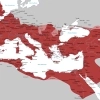
A Journey Through Time: Mapping Ancient Rome and Jerusalem
For centuries, Rome and Jerusalem have captivated historians and travelers alike. These two powerful cities, though geographically distant, were intertwined throughout much of their ancient history. But how close were they? Let's explore maps depicting these ancient cities and their respective empires.
The Mediterranean World: A Roman Sea
During the height of...

Augustus: The Architect of Imperial Rome’s Golden Age
In the grand tapestry of ancient Rome's history, one name stands out as a pivotal figure who played a transformative role in shaping the destiny of an empire. That name is Augustus, the first Roman Emperor, whose reign marked the beginning of a remarkable era known as the Pax Romana...