
Jerusalem Artisan Rosaries Handcrafted vs. Mass-Produced
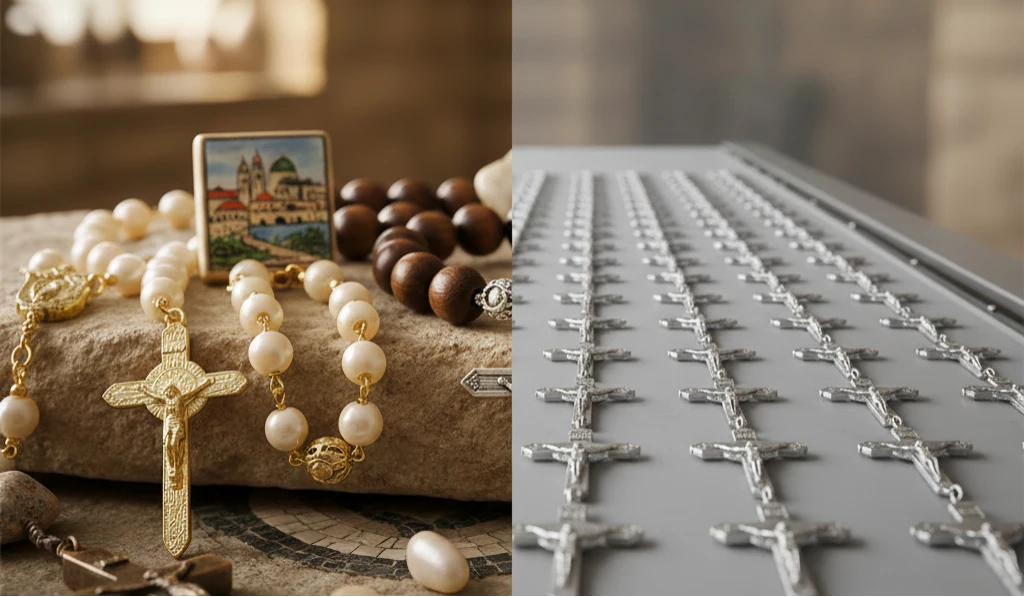
In a world full of fast-made products, many believers are looking for devotional items that feel faithful, lasting, and true. Jerusalem Artisan Rosaries Handcrafted vs. Mass-Produced is more than a comparison—it’s a prayerful question: “What will help me (or someone I love) stay close to Jesus day after day?” This guide will help you discern what matters, choose wisely, and honor the rosary as a tool for meditation on Christ’s life.
Why this topic matters for Christians
The rosary is not a fashion accessory. It’s a companion in prayer—an invitation to meditate on the mysteries of Christ with Mary’s help. Over time, a rosary can become part of the rhythms that shape a Christian life: morning prayer, walks of gratitude, quiet evenings, hospital visits, times of discernment, and seasons of sorrow.
Because it’s meant to be used (held, carried, prayed, sometimes wept over), quality matters. A rosary that breaks easily can become discouraging—especially for someone new to the devotion. But a rosary that’s comfortable, durable, and reverently made can gently remove barriers, making it easier to return to prayer again and again.
A choosing framework you can trust
Before you decide between artisan work and factory production, anchor your choice in a simple, faith-filled framework. Think less like a shopper and more like a steward.
1) Start with the person and their prayer life
- New to the rosary: prioritize comfort and clarity—beads that move smoothly, a crucifix that feels substantial, and a case that protects.
- Prays regularly: prioritize durability—strong links and reliable joining for daily carry.
- In suffering: prioritize gentleness—easy grip and a simple design that calms rather than distracts.
2) Decide where it will be used
- At home: comfort in the hands matters most, with respectful storage.
- On the move: strength matters most, plus a protective pouch to prevent tangles.
- In community: a classic style can help someone feel at ease praying with others.
3) Choose “durable devotion,” not “delicate display”
A rosary becomes meaningful through use. If your choice is so fragile that it stays in a drawer, it’s not serving the devotion. When in doubt, choose the option that will be carried and prayed. And if you’d like to browse Holy Land-inspired pieces, you can shop here.
Jerusalem Artisan Rosaries Handcrafted vs. Mass-Produced: what changes in real life
It’s tempting to reduce this topic to “handmade is always better.” A more helpful approach is to ask how the rosary behaves in daily life—how it feels in your hands, how it holds up over time, and how it supports prayer. Here are the practical differences that most often matter.
Comfort and prayer rhythm
- Handcrafted rosaries often show more attention to spacing, bead movement, and balance, which can make decades flow more naturally.
- Mass-produced rosaries may vary more in consistency—some are excellent, others feel stiff, lightweight, or uneven.
Strength and repairability
- Artisan work may use stronger joining methods or thicker components, reducing breakage from daily carry.
- Factory work can be durable too, but weaker links or rushed assembly sometimes show up as early wear.
Meaning and intention
A rosary’s holiness comes from God, not from a price tag. Still, many Christians find that a rosary crafted with reverence helps them approach prayer with reverence. It can support attention and gratitude—two virtues that prayer needs.
When “mass-produced” can be the right choice
- If you need an affordable rosary for group distribution or parish events.
- If you’re buying a first rosary for someone and want to start simple.
- If travel conditions are rough and you want something replaceable.
When “handcrafted” can be especially fitting
- For milestone gifts (Confirmation, RCIA, anniversaries, pilgrimages).
- For a daily-prayer commitment—something built to last and be carried.
- For a devotional keepsake that’s still meant to be used, not stored.
Materials, finishes, and Jerusalem craftsmanship
Materials are not about showing off. They’re about comfort, durability, and symbolism. Many pieces at JerusalemFaith are handcrafted in Jerusalem, reflecting careful workmanship shaped by Christian pilgrimage. When relevant and available, devotional items may also be blessed at the Church of the Holy Sepulchre—an ancient place that draws believers into the mystery of Christ’s death and resurrection.
Common materials (and what they’re good for)
- Wood: warm, lightweight, and quietly traditional. Excellent for daily prayer and travel.
- Glass or crystal-style beads: reflective and celebratory—often chosen for milestone gifts.
- Stone-style beads: grounded and tactile, helpful for slow and steady prayer rhythms.
- Metal components: pay attention to thickness and joining—these determine long-term strength.
Finishes and details that affect daily use
- Bead texture: smooth beads glide easily; textured beads can help grip for elderly hands.
- Spacing: consistent spacing makes the decades feel steady and reduces twisting.
- Crucifix balance: a well-proportioned crucifix helps the rosary sit naturally in the hand.
- Case quality: a good case protects the rosary and quietly encourages faithful carry.
Sizing, fit, and everyday usage scenarios
Rosary “fit” is about how it feels in real hands, in real days. Here are practical guidelines that help match a rosary to a person’s life.
Bead size (quick guide)
- Small beads: light and travel-friendly; may feel less comfortable for arthritis.
- Medium beads: a balanced option for most adults—easy to hold and easy to carry.
- Larger beads: more tactile and comforting; ideal for slow prayer at home or pastoral care settings.
Everyday scenarios
- Daily commuting: prioritize strength and a protective case; avoid fragile links.
- Prayer group / parish: choose a classic style that feels familiar and welcoming.
- Bedside prayer: comfort matters most; choose beads that feel steady, not sharp or slippery.
- Pilgrimage travel: durable components and a case that prevents tangles in a bag.
If you’re gifting to someone new to the rosary, reduce pressure. A simple invitation like “Start with one decade” can keep the gift gentle and doable. Faith grows patiently.
Care and stewardship tips
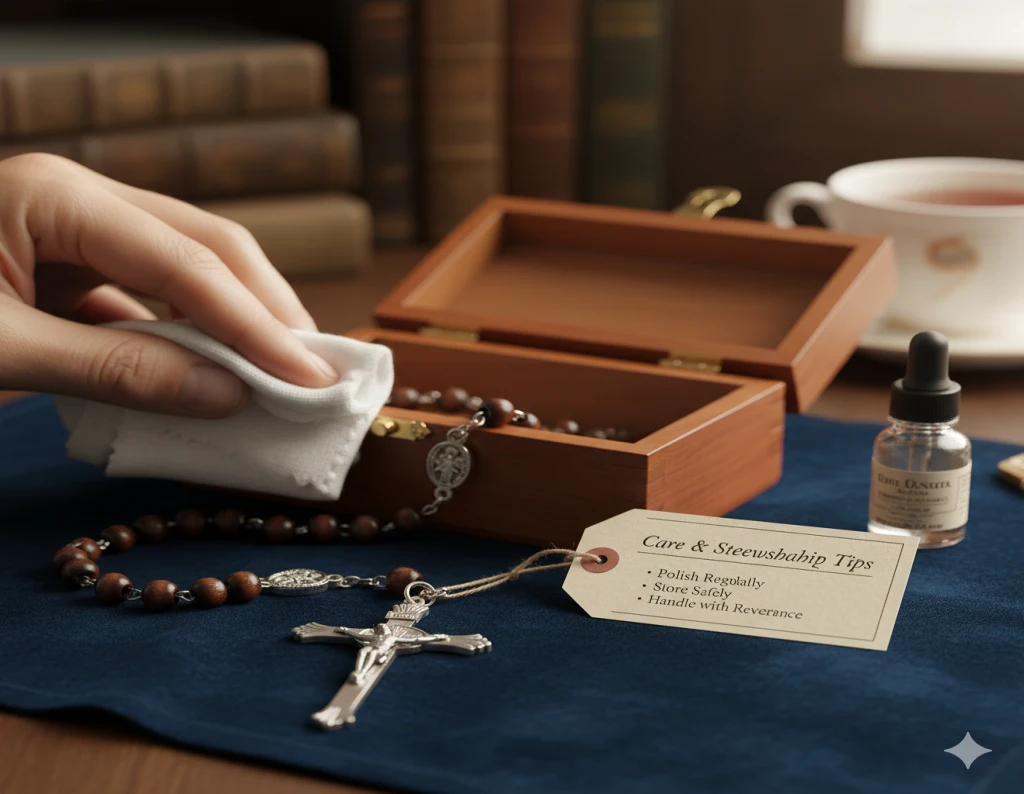
A rosary is a tool for prayer, and caring for it is a small act of stewardship. These habits can help a rosary last for years:
- Use the case: prevents tangles and protects the rosary from keys, coins, and friction in bags.
- Avoid moisture: especially for wood and certain finishes; if it gets wet, dry gently with a soft cloth.
- Clean gently: use a dry, soft cloth; avoid harsh chemicals that can dull finishes or weaken cords.
- Repair early: if a link loosens, fix it before beads are lost.
- Store respectfully: bedside drawer, prayer corner, or pouch—make it easy to reach for prayer.
Gifting guidance for special moments
A devotional gift becomes truly meaningful when it’s personal and pastoral. Here are gentle suggestions for common occasions.
Confirmation
- Choose a classic style that will grow with them into adulthood.
- Add a note with the date and a single Scripture line.
- Encourage a small start: one decade a day for a week.
RCIA / entering the Church
- Choose something durable and everyday—meant to be carried, not stored.
- Write a welcome note: “I’m grateful for your yes to Jesus.”
Illness, recovery, or grief
- Choose comfort and simplicity; avoid overly delicate or complicated designs.
- Include a short prayer: “Jesus, I trust in You,” or a Psalm verse.
Anniversaries and weddings
- Consider a refined finish and a strong case for long-term stewardship.
- Add an intention: unity, patience, joy, and fidelity in Christ.
Pilgrimages
For a pilgrimage—whether across the world or within the heart—Jerusalem Artisan Rosaries Handcrafted vs. Mass-Produced can shape the journey. A sturdy, comfortable rosary becomes a companion on long walks and quiet evenings with God.
Common mistakes (and how to avoid them)
- Choosing only by appearance: comfort and durability matter for daily prayer. Holdability is not a small detail.
- Buying “extras” instead of usefulness: one excellent rosary + one excellent case is better than many small add-ons.
- Ignoring the person’s season: someone in grief often needs gentleness, not complexity.
- Skipping the case: protection prevents breakage and makes carry more likely.
- Forgetting encouragement: a short note often becomes the most cherished part of the gift.
If a rosary can be blessed at the Church of the Holy Sepulchre, remember: a blessing is the Church’s prayer, not a superstition. It invites the heart to trust Christ more deeply.
Mini-FAQ
Is a handcrafted rosary “more holy” than a mass-produced one?
Holiness comes from God, not manufacturing. A handcrafted rosary can feel more intentional and durable, which may help devotion, but any rosary can lead a heart to Christ when used in faith.
How do I know if a rosary will last?
Look for strong links, consistent joining, comfortable bead movement, and a protective case. Durability is usually felt in the small details.
What bead size is safest if I’m unsure?
Medium beads are a balanced choice for most adults. If the recipient has arthritis, larger beads can be more comfortable.
Is a rosary set appropriate for someone who is sick?
Yes. Many people find comfort in holding a rosary when words are hard. Choose a simple, soothing design and include a short prayer note.
How can I help someone begin praying the rosary without overwhelming them?
Encourage a gentle start: one decade a day. Offer to pray together once. Consistency grows quietly over time.
Closing encouragement
When you choose a rosary, you’re not only choosing an object—you’re choosing a path of return to Christ. If you’re discerning Jerusalem Artisan Rosaries Handcrafted vs. Mass-Produced, aim for what supports faithful use: comfort, durability, and a design that invites prayer. Handcrafted in Jerusalem (and, when relevant, blessed at the Church of the Holy Sepulchre), a rosary can become a lifelong companion.
Gentle CTA: Choose a rosary that will be carried and prayed, and include a short note with an intention. If you’d like to explore Holy Land-inspired options, you can shop rosaries from jerusalem. May the Lord bless your gift, strengthen your devotion, and draw every heart closer to Jesus—one bead at a time.
Related Posts

Augustus: The Architect of Imperial Rome’s Golden Age
In the grand tapestry of ancient Rome's history, one name stands out as a pivotal figure who played a transformative role in shaping the destiny of an empire. That name is Augustus, the first Roman Emperor, whose reign marked the beginning of a remarkable era known as the Pax Romana...
Read More
The Role of Horses in the Roman Empire: From War to Sport
If we look back on the Roman Empire, we can see that horses played an important role. They were engines of power and symbols of prestige, and they were used for agriculture, traveling, warfare, and yes, entertainment like chariot races. Spanning centuries of conquest and culture, horses have always been closely...
Read More
Macrinus: The First Equestrian Emperor and His Brief Attempt to Stabilize Rome
Opilius Macrinus, an unexpected figure in the annals of Roman history, ascended to the imperial throne in 217 AD after the assassination of Caracalla. Unlike his predecessors, who hailed from the senatorial aristocracy, Macrinus was an eques, a member of the equestrian order, a social class traditionally associated with business...
Read More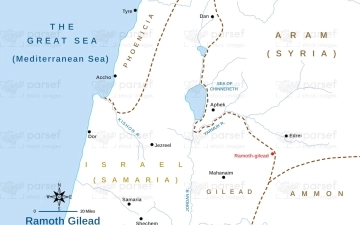
Ramoth-Gilead: The Ancient Stronghold of Israel
Ramoth-Gilead, an ancient city of great biblical and historical significance, was a major stronghold located in the region of Gilead, east of the Jordan River. The city, often mentioned in the Old Testament, played a crucial role in the territorial struggles between Israel and its neighboring nations. Today, the exact...
Read More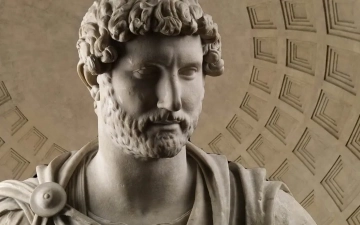
Hadrian: Building Walls and Bridges in Ancient Rome
In the annals of Roman history, Emperor Hadrian stands out as a multifaceted ruler known for his significant architectural projects, military achievements, and contributions to the empire's cultural development. His reign, from 117 to 138 CE, was marked by a commitment to both defending and connecting the vast Roman territories....
Read More
Driving Toward the Future: Innovations in Sustainable Automotive Technology
As the global focus sharpens on climate change, energy efficiency, and sustainable living, the automotive industry stands at a critical crossroads. Manufacturers, engineers, and policymakers are working in concert to reduce carbon emissions, enhance fuel economy, and reshape transportation for a cleaner tomorrow. At the heart of this revolution lies...
Read More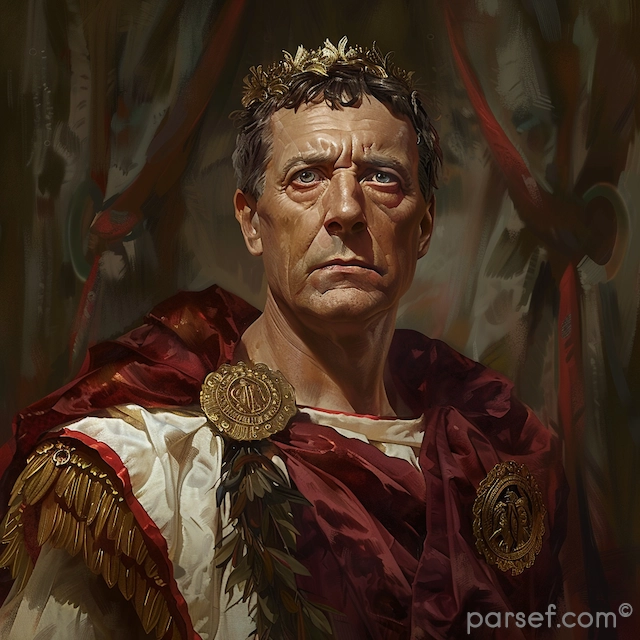
Julius Caesar
Julius Caesar, a brilliant general and statesman, played a critical role in the shift from the Roman Republic to the Roman Empire.
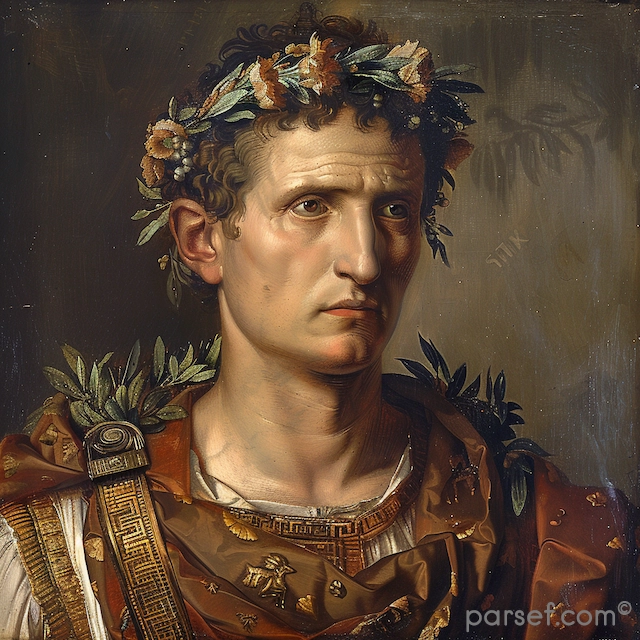
Augustus
Augustus, the first Roman emperor, ushered in an era of peace and prosperity known as the Pax Romana.
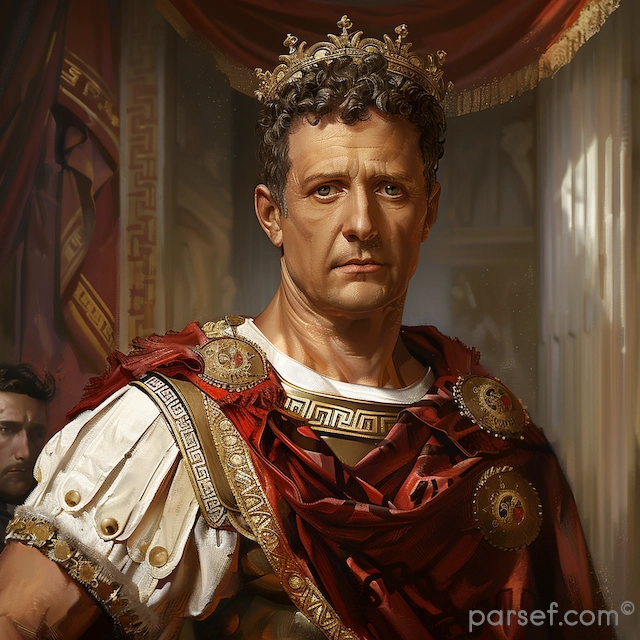
Tiberius
Succeeding Augustus, Tiberius, a skilled military leader, became a controversial emperor known for both stability and a later reign of terror.
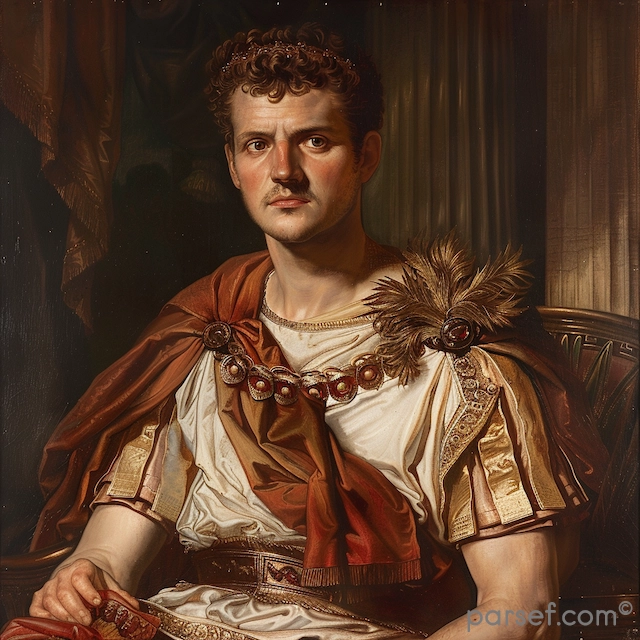
Caligula
Caligula, notorious for his cruelty and extravagance, ruled Rome for just four chaotic years.
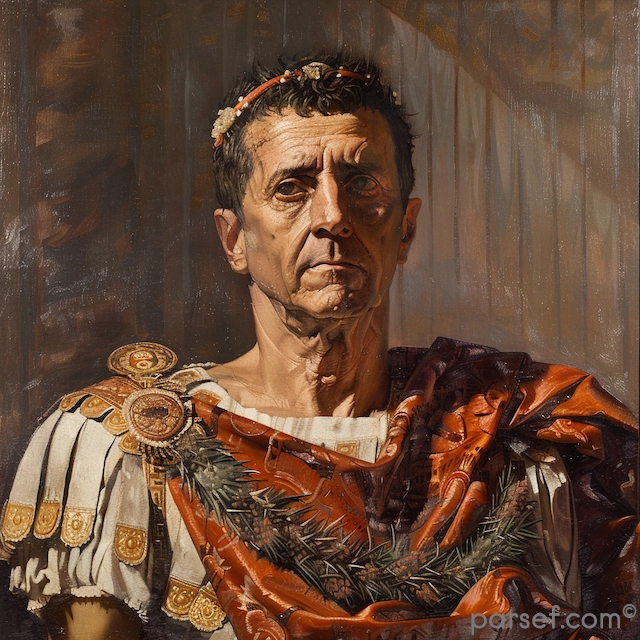
Claudius
Overcoming a reputation for disability, Claudius proved to be a capable emperor who expanded the Roman Empire and improved its infrastructure.
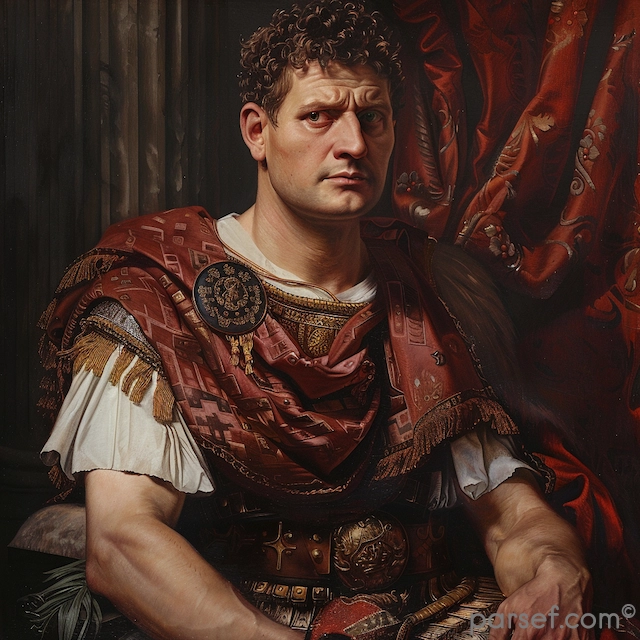
Nero
Nero, the last emperor of the Julio-Claudian dynasty, is remembered for both his early promise and later descent into tyranny.
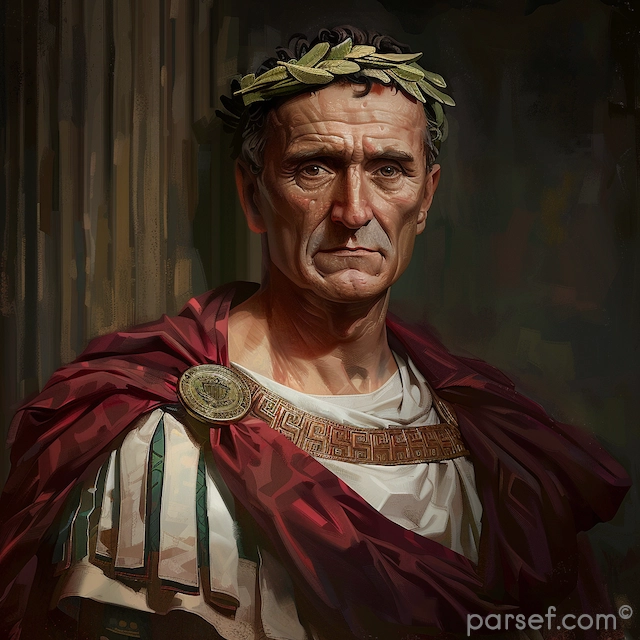
Galba
Galba, a seasoned aristocrat who rose to power after Nero's suicide, faced a turbulent reign marked by financial woes and military discontent.
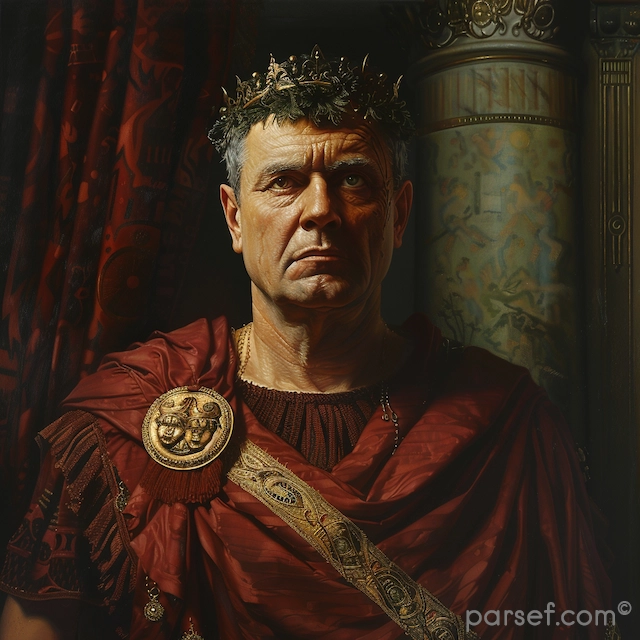
Otho
Ruling for only three months in the tumultuous Year of the Four Emperors, Otho seized power but was defeated and committed suicide.
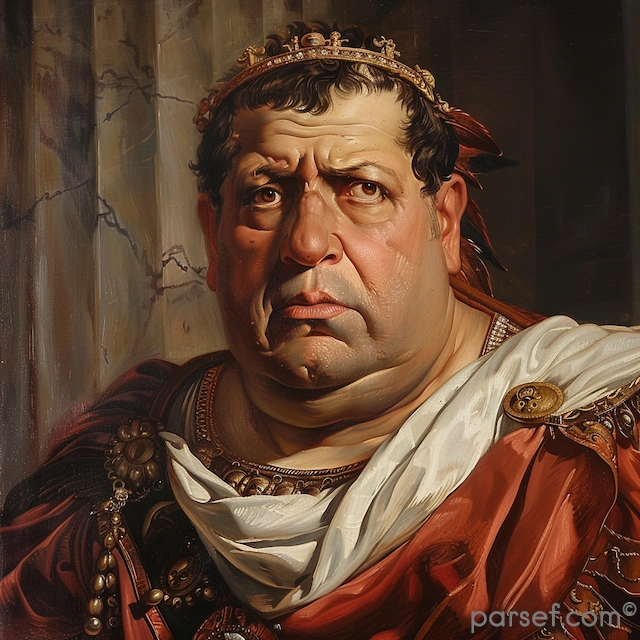
Vitellius
Briefly holding power in 69 AD during the Year of the Four Emperors, Vitellius was known for his indulgence and was ultimately overthrown and killed.
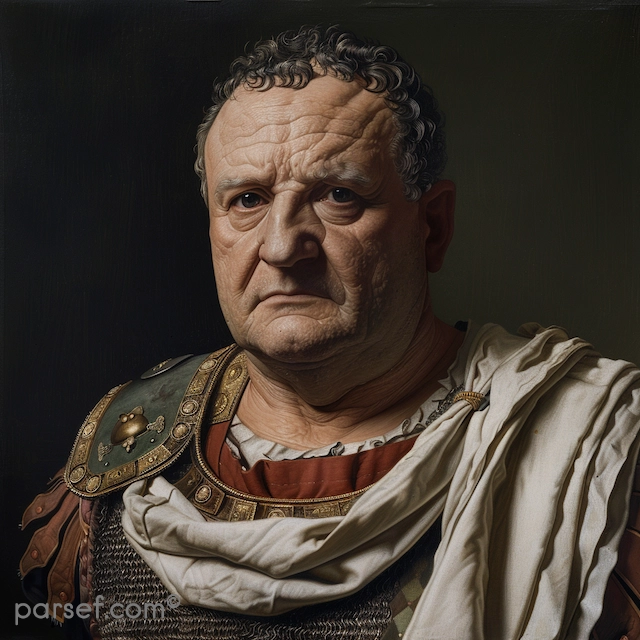
Vespasian
Rising from humble beginnings, Vespasian restored stability to the Roman Empire after a civil war and launched an ambitious building program.
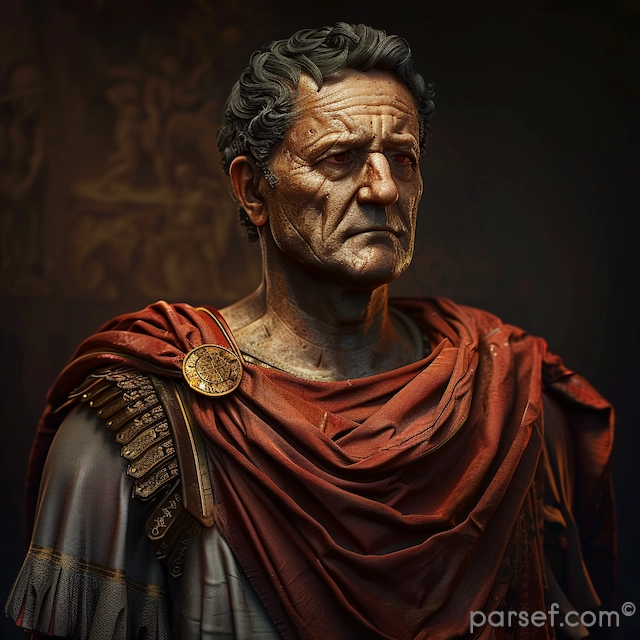
Titus
Son of Vespasian, Titus became emperor known for both his ruthless conquest of Jerusalem and his generosity during disasters.
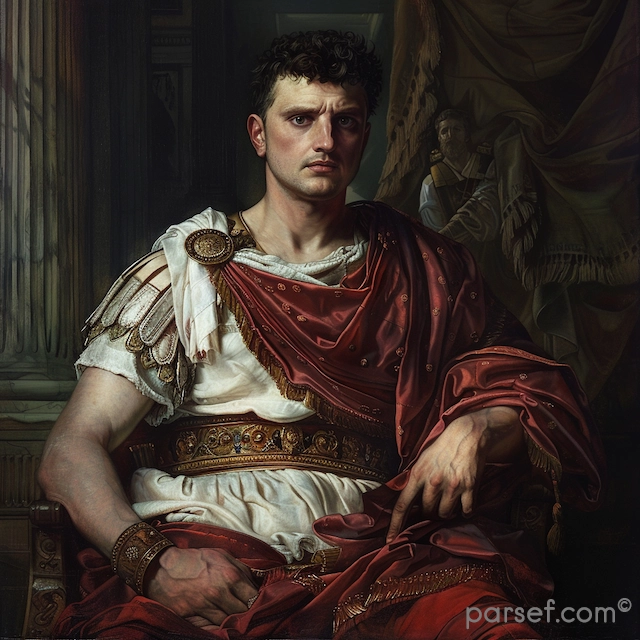
Domitian
Domitian, the last Flavian emperor, strengthened the Roman Empire's borders and economy but was seen as a tyrant by the Senate.
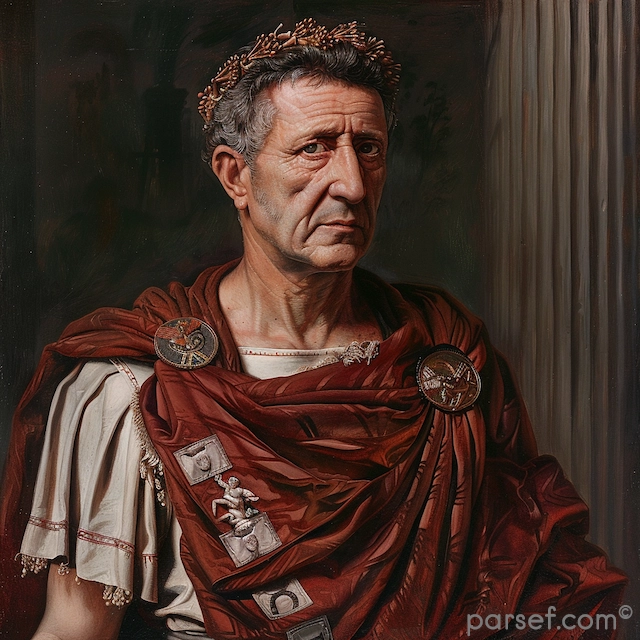
Nerva
Nerva, the first of the Five Good Emperors, ushered in a new era of stability after a period of violence.
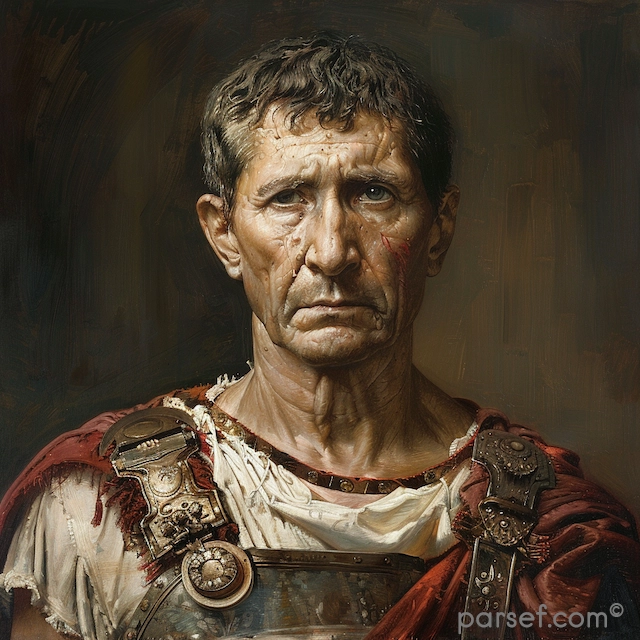
Trajan
Renowned for his military conquests and public works projects, Trajan led the Roman Empire to its greatest territorial extent.
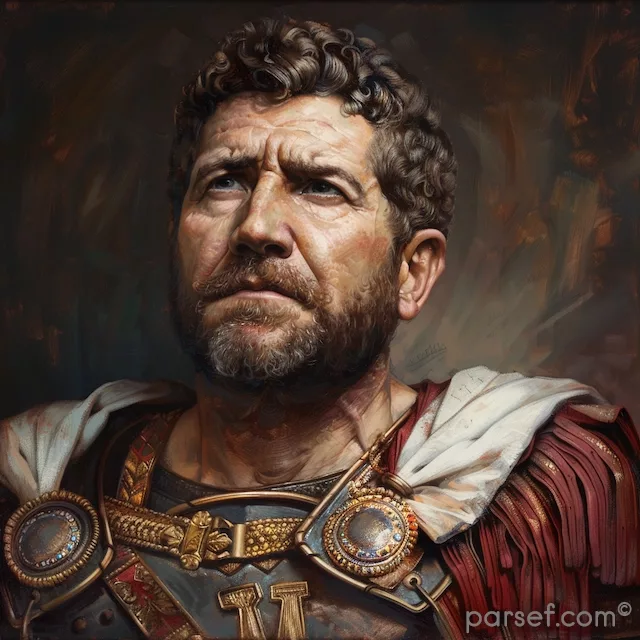
Hadrian
Hadrian, a philhellene emperor known for Hadrian's Wall, consolidated the Roman Empire and focused on internal development.
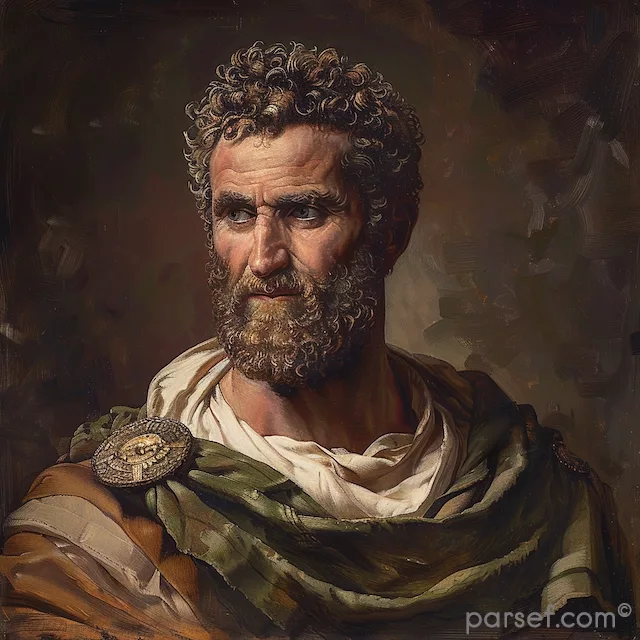
Antoninus Pius
Antoninus Pius, known for his peaceful reign and devotion to public works, was considered one of the Five Good Emperors.
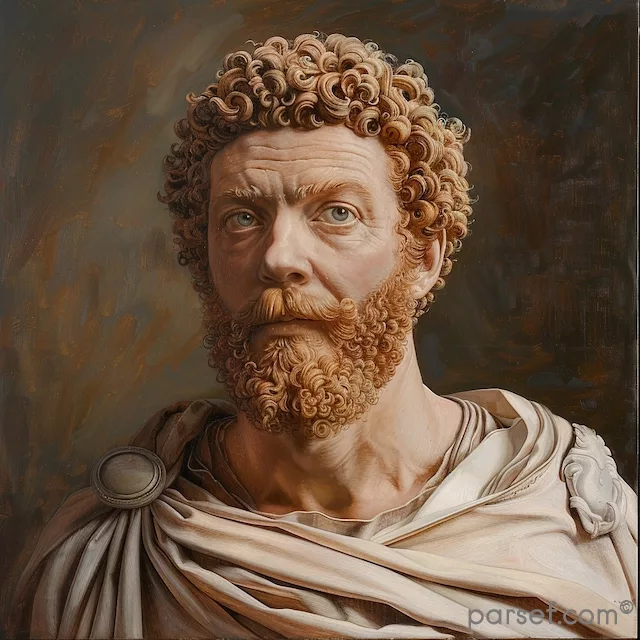
Marcus Aurelius
Marcus Aurelius, the last of the Five Good Emperors, was both a philosopher king and a stoic leader who fought relentlessly to defend the Roman Empire.
Commodus
Son of Marcus Aurelius, his reign marked the end of the Pax Romana and is often considered the beginning of the decline of the Roman Empire.
Pertinax
A short-lived emperor, he ruled for just three months before being assassinated by the Praetorian Guard.
Didius Julianus
Bought the throne in an auction held by the Praetorian Guard, his reign lasted just over two months before he was killed.
Septimius Severus
Founder of the Severan dynasty, he secured his position after defeating his rivals in a civil war.
Caracalla
Known for issuing the Antonine Constitution, granting Roman citizenship to all free men in the Empire.
Geta
Co-ruled with his brother Caracalla, but was murdered by him after their father’s death.
Macrinus
A usurper who became emperor after arranging the assassination of Caracalla. He was overthrown and killed.
Elagabalus
Known for his eccentric and controversial religious practices, he was eventually assassinated by the Praetorian Guard.
Severus Alexander
The last emperor of the Severan dynasty, his reign ended when he was assassinated by his own troops, marking the start of the Crisis of the Third Century.
Maximinus Thrax
Learn how his military background, brutal tactics, and short-lived rule marked the beginning of the Crisis of the Third Century.